Moldova transport strike looms as operators demand talks with Prime Minister
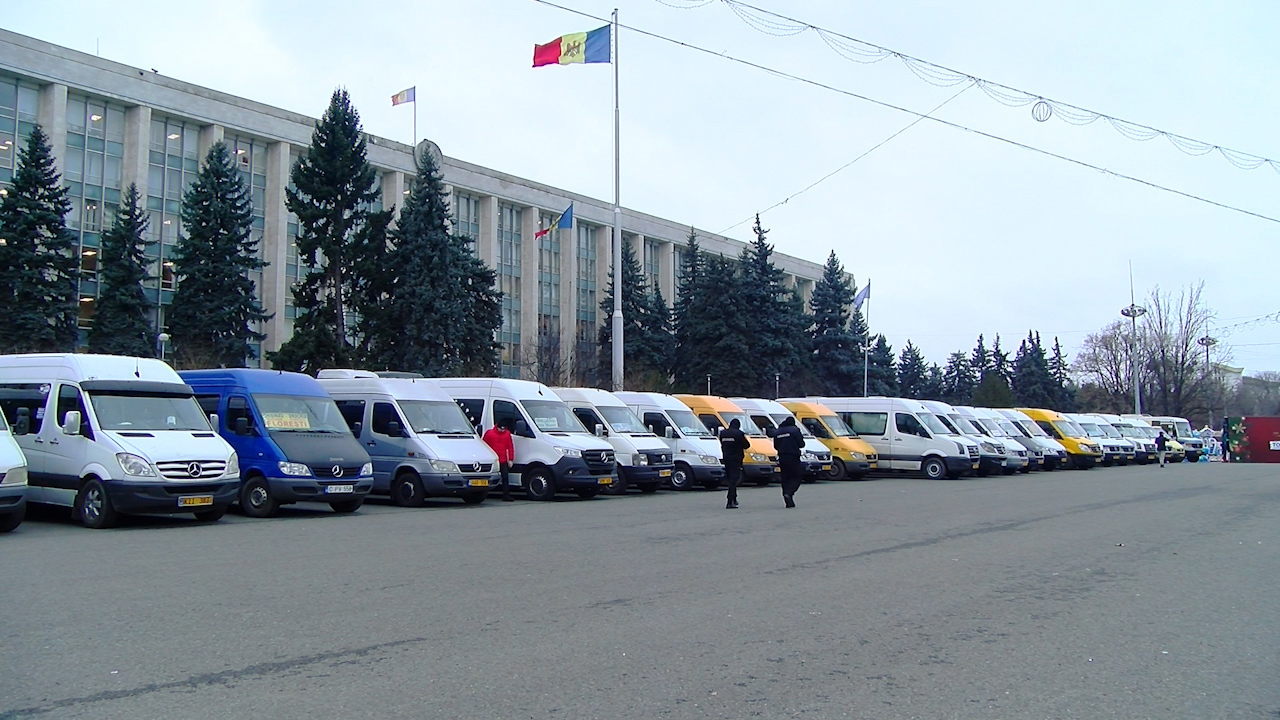
Moldovan transport operators are threatening to resume national protests. The Employers' Association of Road Transport Operators (APOTA) has formally requested an urgent meeting with Prime Minister Alexandru Munteanu.
In an open letter, the association criticized proposed amendments to the Road Transport Code. They argue the changes fail to address the sector’s systemic issues.
The industry's core grievances
APOTA President Oleg Alexa claims the Ministry of Infrastructure’s previous policies caused "chaos," leaving many rural localities without regular bus services. He describes the new proposals as "reckless and dangerous."
The association’s primary frustration stems from the five-day window granted for public consultation. Operators argue this timeframe is insufficient to analyze a month-long "secretly drafted" document.
Accusations of shadow schemes
Speaking to Radio Moldova, Alexa accused officials of avoiding European legislative standards. He alleged that the ministry is attempting to mask local "schemes" under the guise of digitalization and fiscal reform.
"They are trying to reinvent the wheel instead of implementing EU legislation," Alexa stated. He warned that if a real dialogue is not initiated, strikes are "inevitable."
The government's response
The Ministry of Infrastructure and Regional Development (MIDR) maintains that the consultation process is transparent. Officials stated the amendments aim to adapt transport programs to current territorial realities.
The Ministry emphasized that APOTA has been consistently invited to technical discussions. They noted that some "emotional reactions" are expected when reforms affect dominant economic interests.
Context of the conflict
The transport sector last saw major unrest in the summer of 2024. At that time, operators protested in front of the Government building and the EU Delegation in Chisinau.
The current standoff highlights the ongoing friction between the state's reform agenda and the economic interests of private transport providers.
Translation by Iurie Tataru