Chisinau shifts Transnistria strategy toward phased economic integration
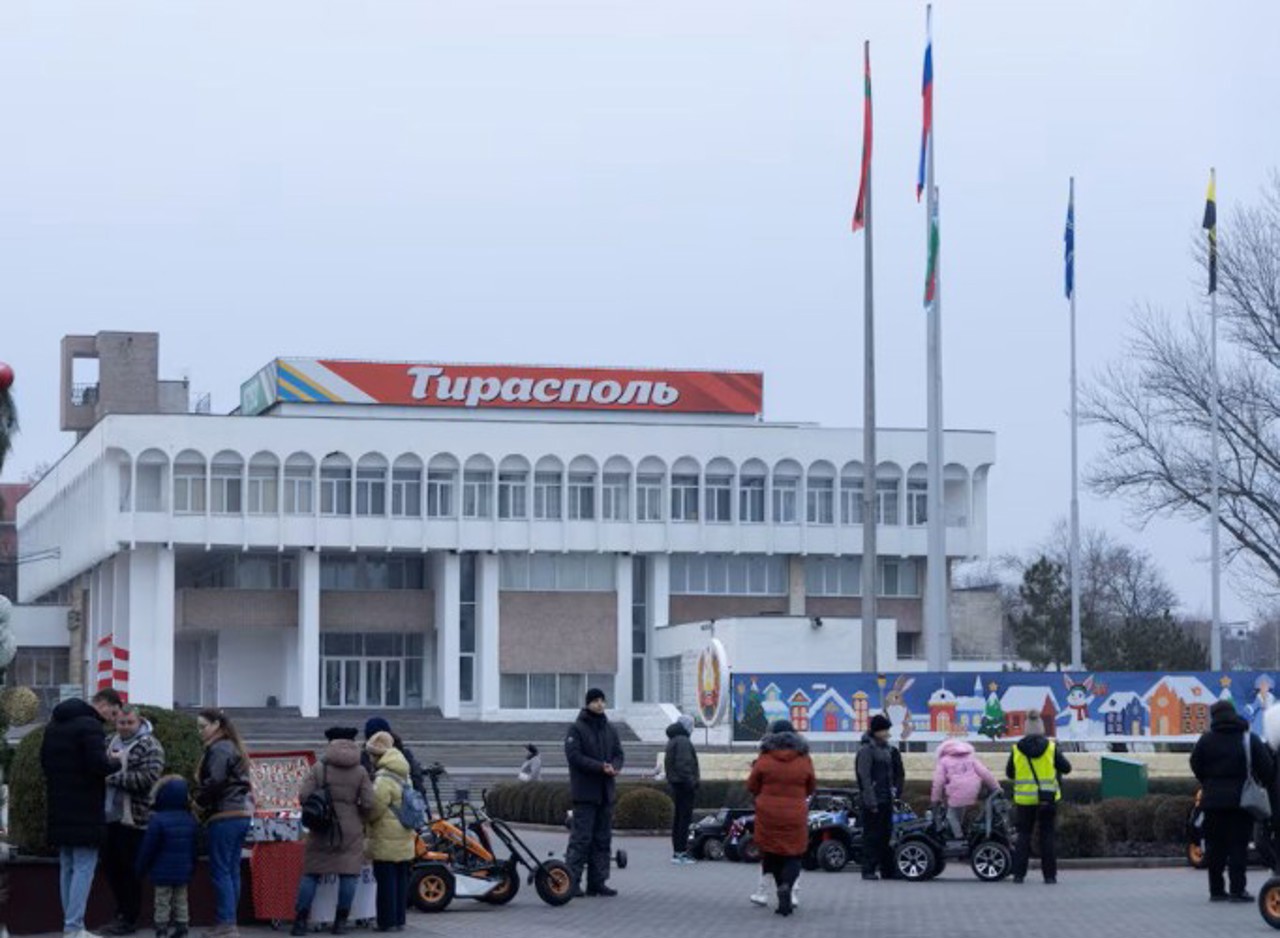
The Moldovan government is pivoting its approach to the Transnistrian conflict, prioritizing a phased integration of the economic, fiscal, and social sectors while delaying political negotiations to a later stage.
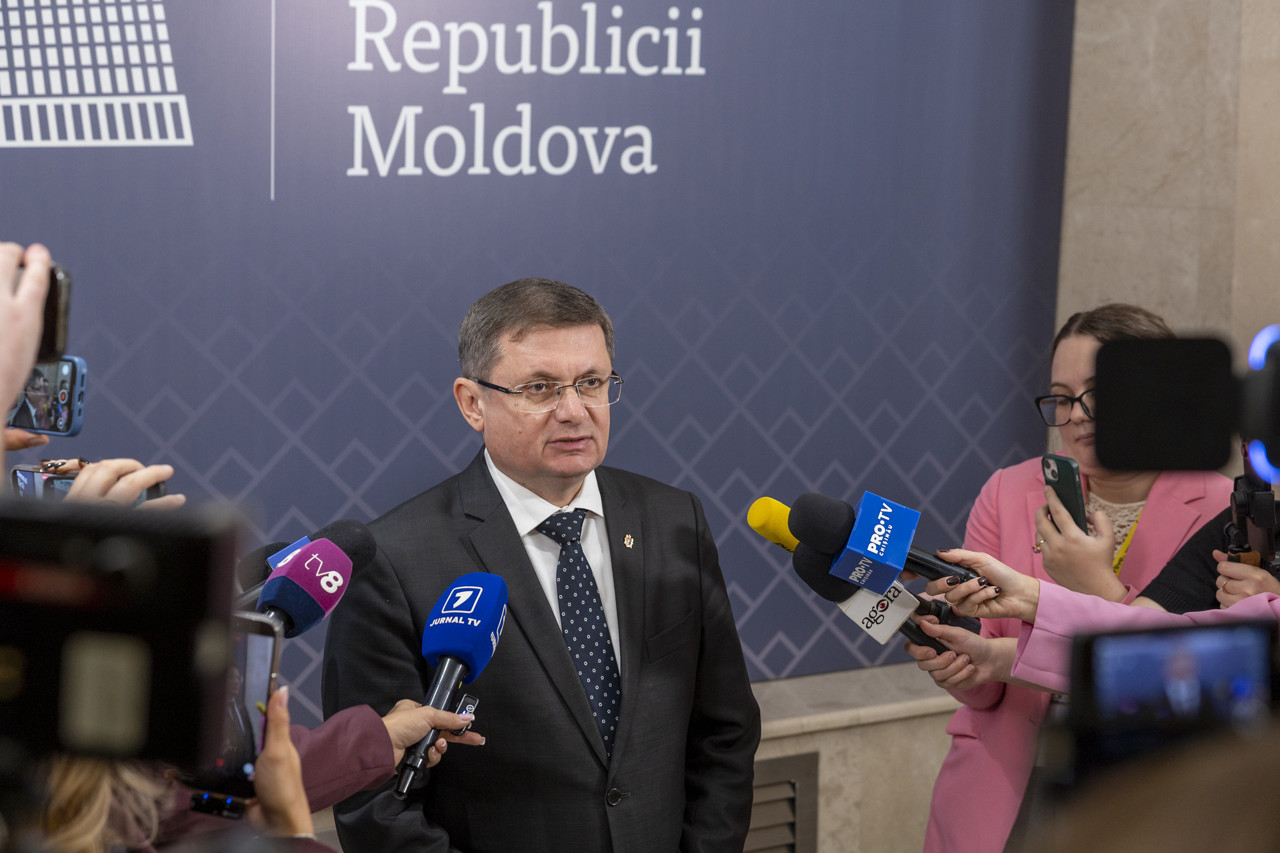
Deputy Prime Minister for Reintegration, Valeriu Chiveri, outlined this "step-by-step" strategic vision during a recent televised briefing. He signaled a formal departure from the comprehensive political settlement models that have dominated the agenda for three decades.
A departure from failed models
"We are working on a strategic vision we call phased or gradual," Chiveri stated. "Integration must happen first in economic, fiscal, customs, energy, and social fields. The political component will be the final step."
The Deputy PM argued that the previous 30 years focused on seeking an immediate, all-encompassing political solution—a model he described as unsuccessful. By building functional ties first, the government aims to create the necessary conditions for an eventual political consensus.
Geopolitical shift and legacy agreements
Addressing the legal framework of the conflict, Chiveri noted that between 230 and 250 documents have been signed during past negotiations. However, he cautioned that much of this paperwork is no longer applicable.
"These documents were signed within specific geopolitical and internal contexts that do not necessarily reflect today’s reality, especially following the start of the war in Ukraine," Chiveri explained.
Technical cooperation continues
Despite the strategic shift, Chisinau continues to utilize specific technical agreements, such as the "Berlin Plus" package. These protocols currently govern practical issues, including the operation of Romanian-language schools in the region and the issuance of neutral-design license plates.
To support this new direction, the government previously announced the creation of a Reintegration Convergence Fund. This mechanism will finance social and infrastructure projects to bridge the gap between the two banks of the Dniester River, acting as a tool for economic alignment rather than a bargaining chip.
Translation by Iurie Tataru