Parcel scanning under scrutiny as risks rise; Customs Director: “Our system can no longer cope”
The significant rise in the number of parcels, coupled with the growing risks associated with their use for transporting drugs and other illegal goods, is prompting authorities to consider stricter control measures. In the Republic of Moldova, the number of postal items processed has surged to around 100,000 per month, an increase from just 3,000 previously. This rapid growth is putting pressure on the customs system and exposing existing vulnerabilities.
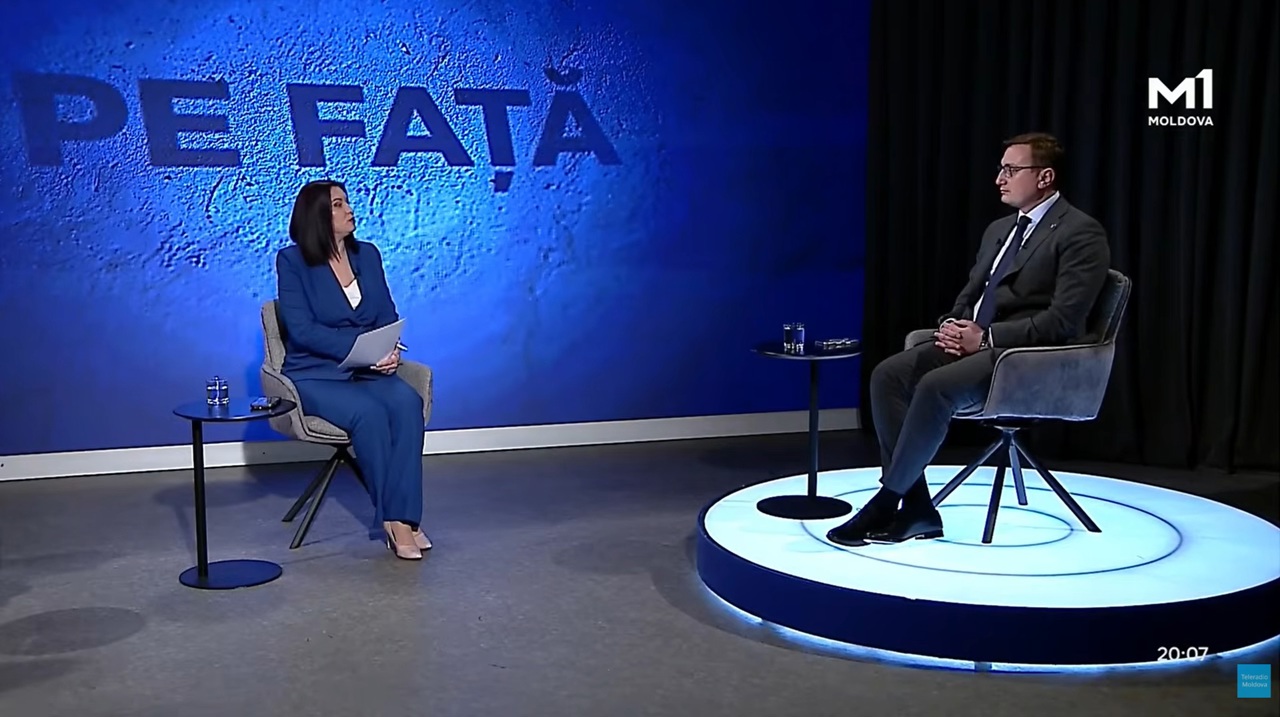
The Director of the Customs Service, Radu Vrabie, stated during the show "Pe făță" on Moldova 1 that the current infrastructure is inadequate for the growing volume of shipments, and institutions must adapt to the new realities brought about by online commerce.
"We used to handle approximately 3,000 postal items monthly, and now we receive over 100,000," Vrabie explained. "The numbers have increased significantly, and our current system can no longer manage this volume effectively."
He noted that this growth is primarily driven by the expansion of online commerce and international deliveries, a trend that is expected to continue in the near future.
To address this increased volume, the Customs Service is focusing on digitalization and the simplification of procedures. A new IT platform is in development, designed to replace existing systems and improve citizens' interactions with the institution, particularly regarding the payment of import duties.
"We are working on a new platform that will be easier for citizens to use, based on the experience we've gained so far," Vrabie stated. "Our goal is to implement intelligent scanning that does not compromise the user experience for citizens or economic agents."
However, the surge in shipments also raises security concerns for customs. According to Vrabie, parcels are sometimes used to transport prohibited substances or undeclared goods, and the large volume of shipments complicates their identification. Authorities acknowledge that not all shipments are examined.
"Not all parcels are scanned, and due to the limitations caused by the lack of scanners among postal operators, we are experiencing a phenomenon, which is both European and global, of using postal items for drug trafficking," Vrabie explained.
He emphasized that this type of transport also complicates the identification of those involved. In light of this situation, authorities are considering expanding controls, especially at the request of the country's leadership.
Vrabie specified that parcel verification mainly occurs at the headquarters of postal operators, where customs officials are present.
"When packages enter the country, they go through an inspection process, are sealed, and sent to the postal operator's headquarters. There, they are unloaded, and sorting or scanning takes place in the presence of customs officials, if the necessary equipment is available," he said.
The issue of postal parcels has also been discussed at the National Security Council level, which established measures to strengthen controls and improve cooperation between institutions. President Maia Sandu explicitly requested an expansion of checks on postal parcels, acknowledging that the current infrastructure does not allow for complete oversight.
Consequently, the Government has been tasked with creating a permanent coordination mechanism between institutions and identifying resources for the modernization of the Border Police and the Customs Service, which may include securing external funding.