Tallinn, the city where public transport is free. Former ambassador: "A magnet for the population"
Chisinau is set to increase public transport prices, while some European cities are offering free rides to support their residents. For instance, residents of Tallinn have enjoyed free urban transport since 2013. Victor Guzun, the former ambassador of the Republic of Moldova to Estonia, discussed this model on Radio Moldova, explaining how it works and what lessons can be drawn from it.
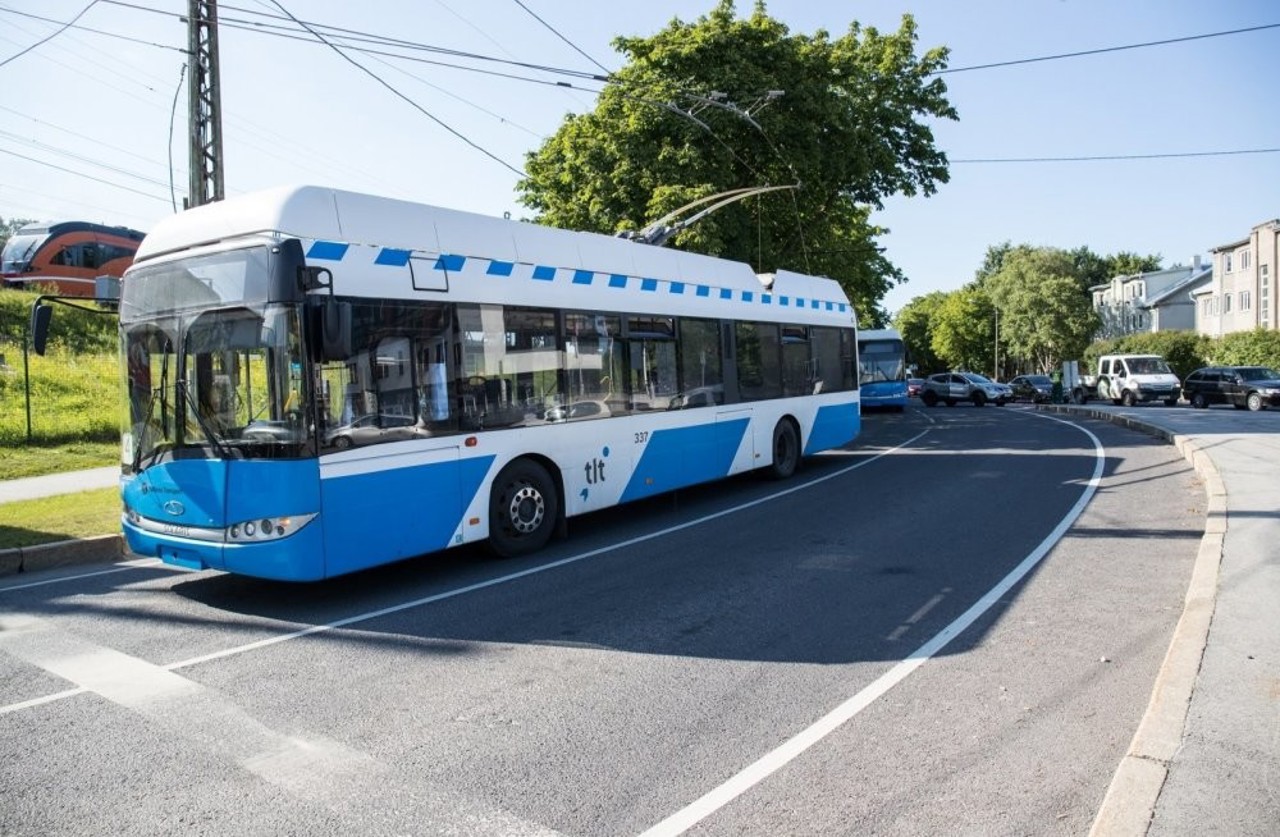
In Tallinn, public transport has become a model for urban accessibility, allowing every resident to travel free of charge on buses, trams, and trolleybuses within the city. The system operates simply and digitally through the Department of Transport app, where passengers can check real-time timetables and stations. Access is granted using a validation card.
Victor Guzun mentioned on the “Zi de Zi” show on Radio Moldova, “Each transport unit is equipped with several devices. If you bring this card close to the validator, the trip is validated. This is important because if there is a control, they can check with other devices whether I am a resident of Tallinn and if I have validated my trip. If I am not a resident of Tallinn or if I haven't validated my trip, I could be fined.”
For non-residents and tourists, various ticket and subscription options are available. The basic ticket is valid for about an hour and costs around two euros.
Free transportation has become a significant attraction for a record number of people moving to Tallinn, especially amidst competition among Estonian city halls.
Victor Guzun explained, "The fiscal or tax system in Estonia works such that the more residents each city hall has, the more funding it receives. For example, the taxes my wife and I pay are directly linked to our place of residence. We pay an income tax of 22%, nearly 12% of which goes to the city hall where we are registered."
These financial resources enable the authorities to modernize the transportation infrastructure, resulting in an almost entirely new fleet of buses in Tallinn.
"Everyone who comes to Tallinn asks me where the traffic jams are. We don’t have traffic jams because the vast majority of people use public transport. From an ecological perspective, this represents a huge improvement, as the air is much cleaner," Victor Guzun added.
When asked whether any lessons from the Estonian model could be applied in the Republic of Moldova, Victor Guzun pointed out that the reform of local public administration needs to involve more than just amalgamation.
"I believe this reform should also include a change in the budgetary framework. I am willing to pay higher taxes because I know those taxes will be invested in the city hall where I live, benefiting my child and family," emphasized the former ambassador.
In Tallinn, the worst morning traffic jams last no longer than five minutes, significantly alleviating the pollution issues present in many other European cities, including Chișinău, which struggles with heavy traffic congestion.