CNA becomes key institution for combating fraud with European funds
The National Anticorruption Center (CNA) will be the primary institution responsible for investigating fraud related to foreign funds and resources from the European Union budget. Additionally, a third deputy director position will be established at the CNA, allowing the institution's director to serve a second term.
The legislative initiative proposed by the Ministry of Justice, aimed at clearly defining the responsibilities of institutions involved in investigating economic crimes and corruption, was voted on by Parliament during the session on May 21.
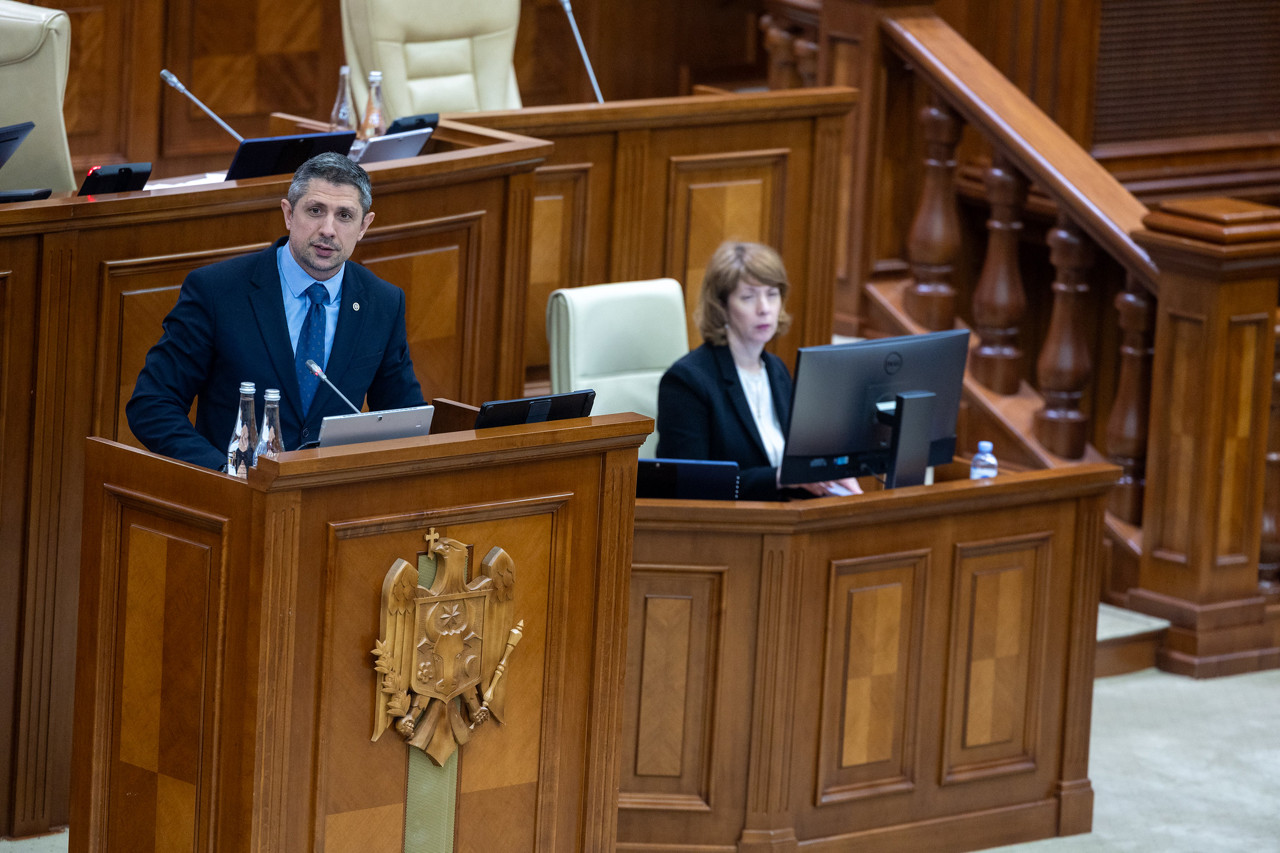
Minister of Justice Vladislav Cojuhari stated in the plenary session of the Legislative Assembly that this measure will ensure the transparent use of foreign funds, including European support, in the Republic of Moldova. The Anti-Corruption Prosecutor's Office (PA) will lead criminal prosecutions for all cases investigated by the National Anti-Corruption Center (CNA).
Additionally, the Anti-Corruption Prosecutor's Office will prioritize high-level corruption cases, targeting officials such as the president, prime minister, deputies, judges, prosecutors, and leaders of the CNA, the Intelligence and Security Service, the Superior Council of Magistracy, and the Superior Council of Prosecutors.
The responsibility of the Prosecutor's Office for Combating Organized Crime and Special Cases (PCCOCS) will encompass organized crime, terrorism cases, and other complex matters. In cases related to economic and financial issues and customs, criminal prosecution will be conducted by the State Tax Service and the Customs Service under the leadership of the PCCOCS.
Minister Cojuhari explained, "These institutions possess the best data, tools, and expertise necessary for such investigations. For complex cases, the project allows for the formation of joint criminal prosecution teams that will include both prosecutors and officers from different institutions. This approach enables coordinated investigations with the required expertise, eliminating delays caused by transferring cases between authorities."
When questioned by opposition MPs about whether this draft law, which delineates the powers of law enforcement institutions, signifies the government's retreat from creating the Anti-Corruption and Organized Crime Prosecutor's Office (PACCO) by merging the PA and PCCOCS, Cojuhari suggested that the draft was developed "strictly to help Dragalin leave office," referring to former PA head Veronica Dragalin.
"I understand your interest, but I urge you to focus on the institutional perspective. We have a draft, and I believe what we presented today is sufficient. This draft was also developed with assistance from colleagues at the European Commission," he replied.
MP Liliana Iaconi from the "Alternative" faction pointed out that the authors of the draft had mistakenly estimated the financial implications of establishing an additional deputy director position at the CNA. She stated, "The declared salary for a deputy director at the CNA is 699,000. You mentioned 570,000, which is a difference. Plus, there are employer contributions. Therefore, the total annual salary fund is approximately 1 million lei."
When asked why the CNA director should be allowed to serve more than one five-year term, as currently stipulated, the Minister of Justice explained that time is needed to "develop professionals" and for "others to witness the results." He also referenced international practices, citing the National Anti-Corruption Directorate (DNA) in Romania, where a director can serve two terms.
"I found the practice of allowing two terms even among our neighbours in Romania. I am open to discussions regarding their consecutiveness. We proposed two terms to ensure coherent implementation. Ultimately, it is up to Parliament to decide," the minister declared.
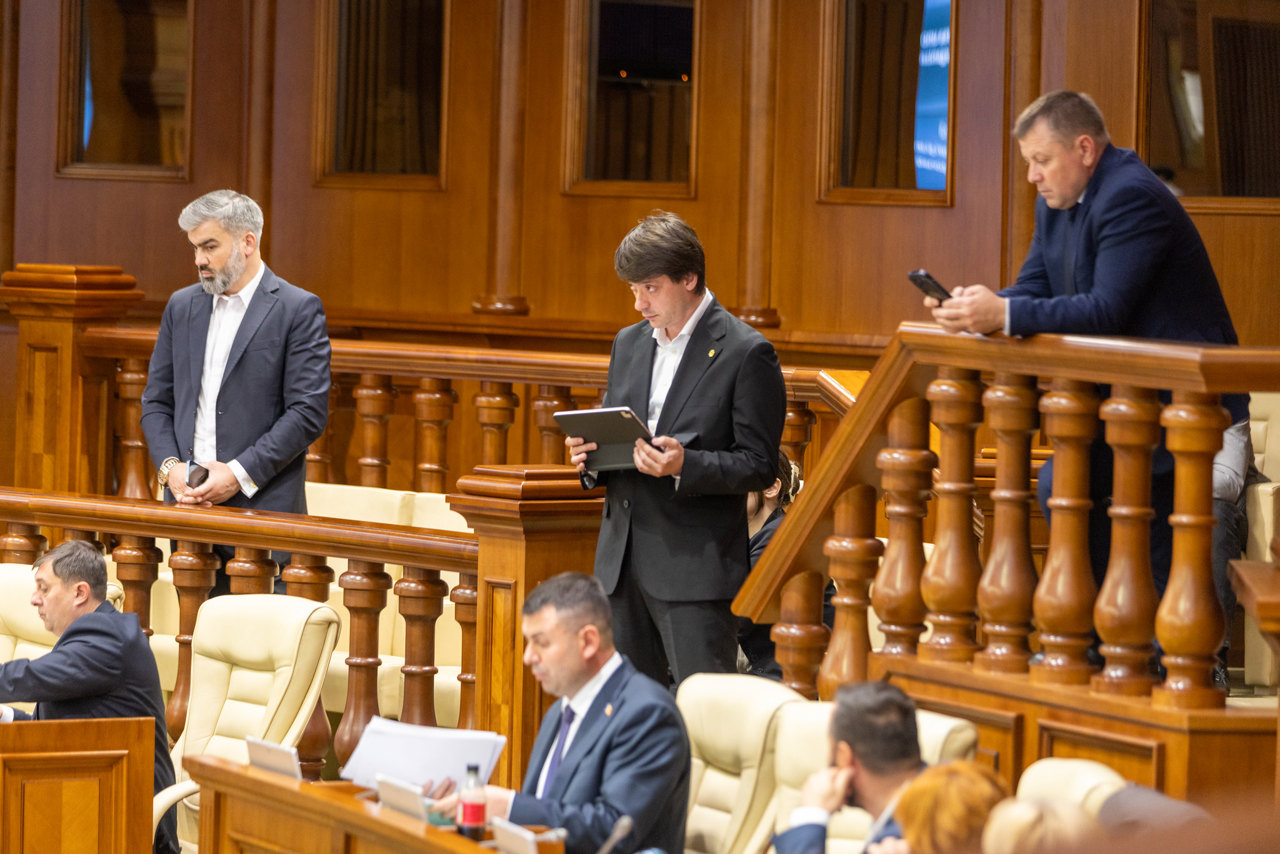
Tempers flared when Alexandru Verșinin, a deputy from the "Democracy at Home" (DA) faction, was barred from making statements on the project. The Parliament Speaker revoked his right to speak for three sessions.
"You made insulting statements against PAS, and you still haven't apologized," declared Igor Grosu.
Vasile Costiuc, the leader of the faction, insisted that Verșinin be allowed to speak. He occupied the Parliament rostrum and expressed solidarity with his colleague’s statements, even if it meant that the entire faction would lose the right to speak for the remainder of their mandate.
Despite protests from the "Democracy at Home" faction, Igor Grosu submitted the project to a vote. It passed the first reading with 57 votes in favour, including four from the DA faction.