Republic of Moldova, a resilience model for the EU: How the country turned Russian hybrid attacks into a lesson for Europe
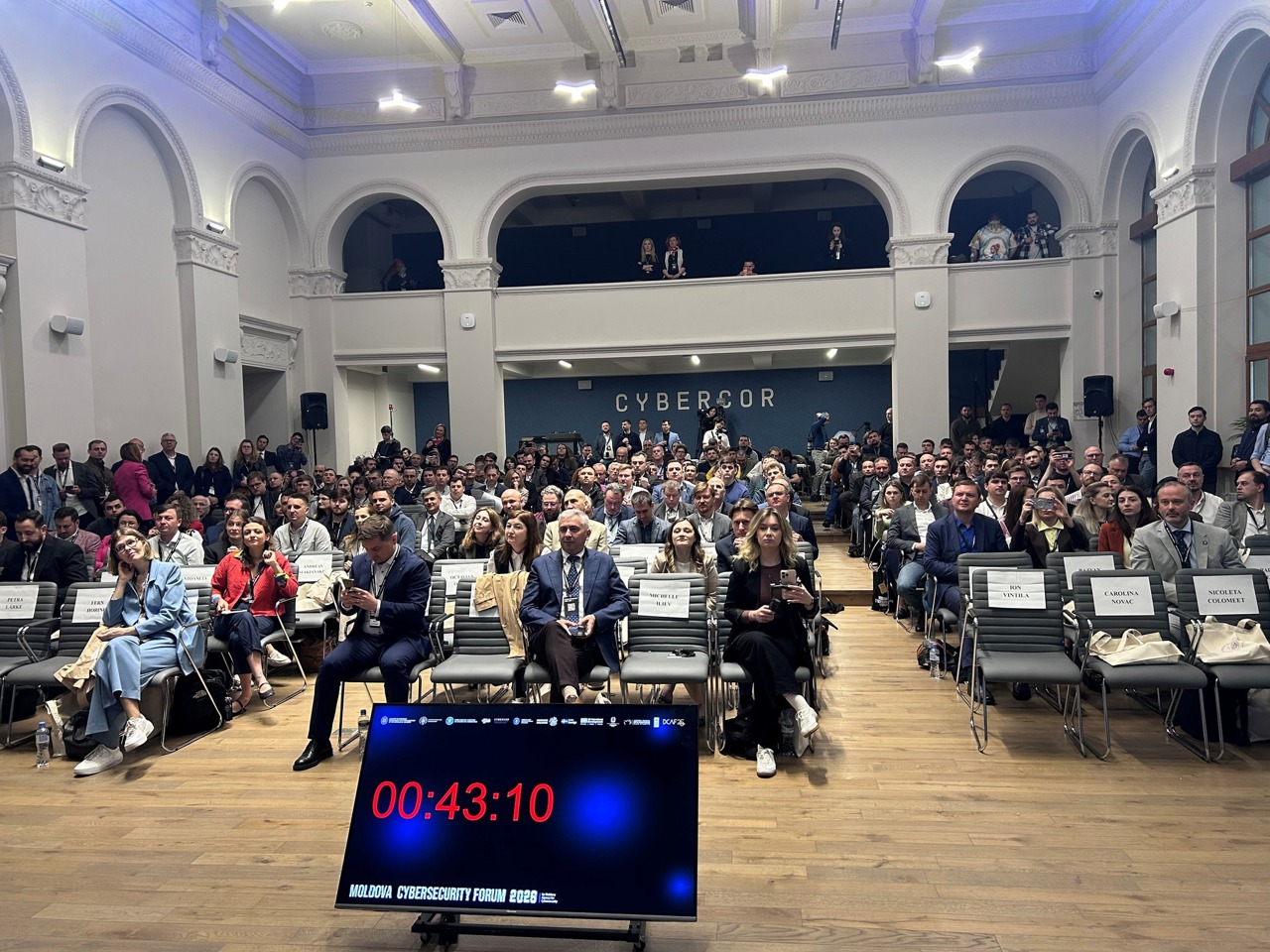
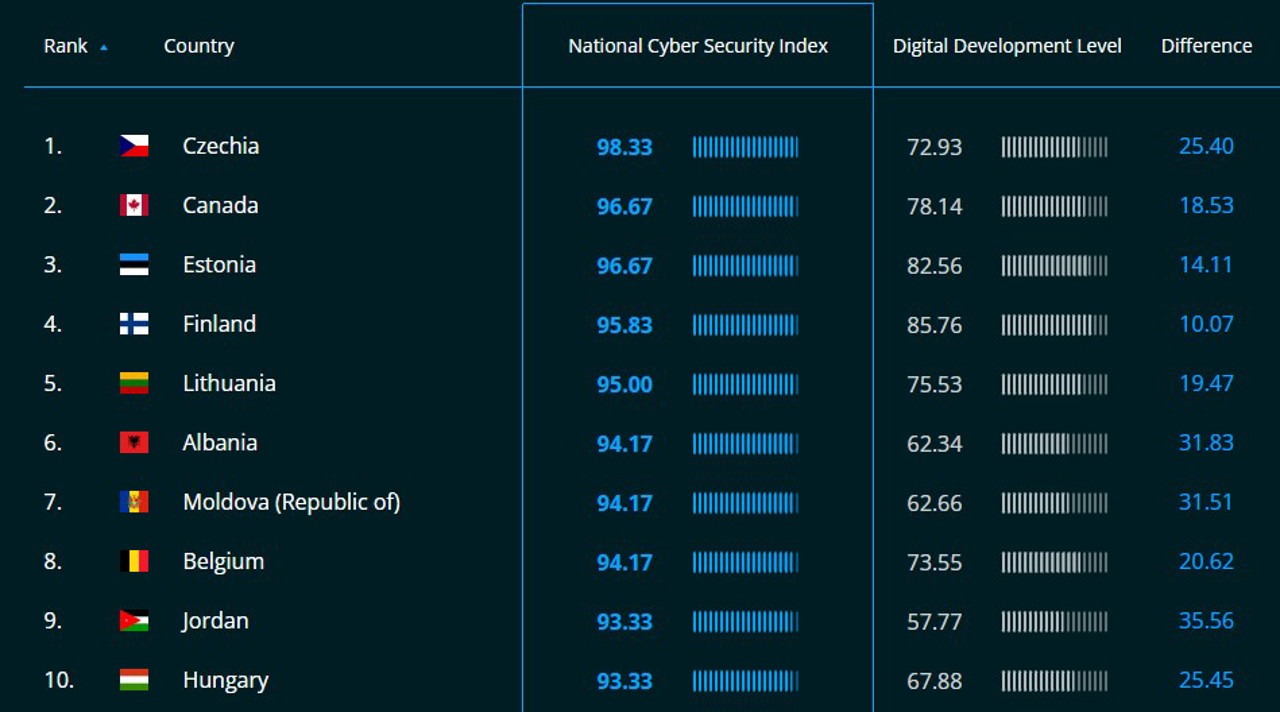
The Republic of Moldova has a high level of readiness to face cyberattacks. The country’s experience has become valuable for European Union partners, which facilitates Moldova’s integration into the EU’s collective cybersecurity protection system. These are the main conclusions of international experts, presented during the third edition of the Moldova Cybersecurity Forum 2026, held in Chișinău on May 12–13.
In an interconnected world, cybersecurity has become more than a technological issue; it now lies at the core of the national resilience of every democratic country.
Cyber threats continue to evolve through attacks on critical infrastructure, disinformation campaigns, and attempts to undermine state institutions.
Security experts have unanimously concluded that “resilience can no longer be built in isolation, but must be developed through cooperation, coordination, and trusted partnerships.”
In this context, the Republic of Moldova has become a hub for European collective cybersecurity protection initiatives.
Moldova on the front line of hybrid attacks
“Cyber challenges no longer have borders. We saw this in 2024 and 2025, during the hybrid war against our country. No nation is an island anymore; we are all vulnerable. The Republic of Moldova has committed to regional cooperation and takes part in trilateral efforts to combat hybrid attacks together with Romania and Ukraine,” said Deputy Prime Minister Eugen Osmochescu, Minister of Economic Development and Digitalization, at the event.
The specific vulnerabilities of the Republic of Moldova were also explained by Michelle Iliev, State Secretary at the Ministry of Economic Development and Digitalization.
“Being a small country, since independence, the Russian Federation has made us twice as vulnerable to hybrid attacks. They know our mentality, they shaped it during Soviet times, and they know where to press the buttons. We see certain threats being tested here and then replicated at the European level,” Iliev explained.
This reality was also confirmed by Romania’s representative.
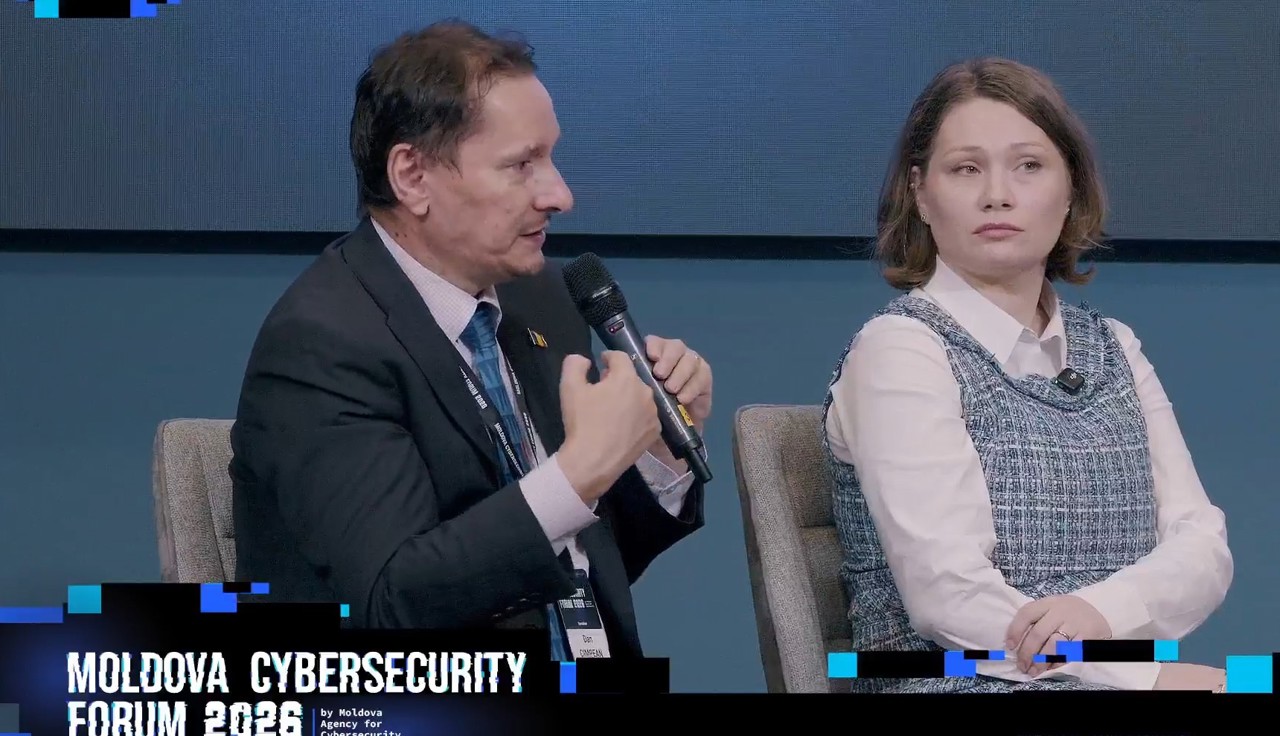
“Russia’s interference in 2024–2025, during the parliamentary and presidential elections, through cyber operations and propaganda, became a starting point from which we learned how to become resilient. We learned this from the Republic of Moldova,” said Dan Cîmpean, Director of Romania’s National Cyber Security Directorate.
Support from international partners
Development partners highlighted during the event the efforts made by the country, including assistance received from them. As a result, the Republic of Moldova has developed a modern cybersecurity infrastructure.
“The United States has always supported the Republic of Moldova in becoming more secure and resilient to threats. Since 2016, the United States has worked with authorities in Chișinău to strengthen cybersecurity infrastructure, from the energy sector to government security systems,” said Nick Pietrowicz, Deputy Chief of Mission at the U.S. Embassy.
He also announced that the United States will allocate an additional $8 million to advance cybersecurity in the region.
“Regional cooperation is essential. The trilateral cyber alliance between the Republic of Moldova, Romania, and Ukraine is a clear example of regional partnership and reflects the European and Euro-Atlantic approach to cybersecurity,” stressed Fern Horine, the British Ambassador to the Republic of Moldova.
“Moldova has many lessons to share”
Experts welcome the Republic of Moldova’s presence in the European cybersecurity ecosystem, as cyber threats across Europe are not isolated, highlighting the need for joint efforts.
“This is a reality. The Republic of Moldova has many lessons to share with its partners. The country remains on the cyber front line, showing that it can respond to these challenges. At the same time, Moldova’s role is becoming increasingly visible within the European cyber community,” said Máté Csicsai, Deputy Head of the EU Delegation to the Republic of Moldova.
Over the past three years, the EU has invested more than €1 billion in three cross-border cybersecurity hubs, about €750 million for technology adoption and €250 million for research and development.
“The Republic of Moldova is part of this architecture,” noted Luca Tagliaretti, Executive Director of the European Cybersecurity Competence Centre.
3,000 trained specialists and 7th place in global index
The importance of the National Institute for Cybersecurity Innovation CyberCore was one of the key topics at the Moldova Cybersecurity Forum 2026. The institution is seen as a key pillar in training future experts to strengthen national security.
“In the past two years, we have built a team capable of responding to emergencies, detecting, and preventing cyberattacks. We have trained 3,000 professionals who will represent the next generation in this field,” said Mihai Lupașcu, director of the Cyber Security Agency.
Progress is also confirmed by international data cited by experts from Estonia, who highlighted the country’s rapid advancement in reorganizing its entire cybersecurity system.
“If three years ago the Republic of Moldova ranked 121st out of about 200 countries in the National Cybersecurity Index developed by the Estonian e-Governance Academy, today it ranks 7th. You now have defined critical infrastructure, a new cybersecurity strategy, and various laws and regulations,” said Klaid Mägi, a cybersecurity expert at the Estonian e-Governance Academy.
Ukraine: Women in Cybersecurity
Ukraine’s representative at the Moldova Cybersecurity Forum 2026 described how a national initiative has encouraged women to pursue careers in cybersecurity amid the challenges of war.
“We launched a national initiative to promote the role of women in cybersecurity. Because our men are fighting the aggressor, and many of them are IT professionals, we needed to fill this workforce gap. Today, so many young women have chosen this path that we have managed to diversify the sector. Cybersecurity is not limited to IT; it can also extend into diplomacy,” said Natalia Tkaciuk, Secretary of the National Cybersecurity Center within the National Security and Defense Council of Ukraine.
According to the Information Technology and Cyber Security Service (STISC), the number of cyberattacks has increased alarmingly over the past three years.
In 2024, STISC recorded around 430 cyber incidents, in 2025 around 1,050 incidents, and in just the first four months of this year, another 500 cyberattacks have already been documented.
We remind you that the Republic of Moldova is hosting, on May 12–13, the third edition of the Moldova Cybersecurity Forum 2026, the largest cybersecurity event in the country, bringing together guests from across the European Union.
The director of the Cyber Security Agency, Mihai Lupașcu, recently told Moldova 1 that the forum serves as a platform for collaboration and open dialogue on key cybersecurity challenges and possible solutions.
On the second day of the event, participants will take part in a practical exercise especially designed for students, featuring simulations of situations that could threaten cybersecurity.