Sweden to jail children under 15 to combat surging gang violence
A surging wave of gang shootings and bombings executed by minors has driven Sweden to adopt a radical judicial shift. The government plans to send children as young as 13 to specialized prisons instead of social care centers.
The legislative overhaul comes ahead of a crucial parliamentary vote scheduled for June 15. The policy shift has ignited a fierce national debate ahead of the September general elections, where soaring crime rates dominate the political agenda.
Sweden is currently grappling with an unprecedented surge in organized crime. Illicit networks operating in drug trafficking, fraud, and robberies generate an estimated $20 billion, approximately €18.5 billion annually.
Police forces estimate that these syndicates command 17,500 active members and 50,000 gang associates. These criminal networks heavily utilize social media platforms to recruit teenagers and children as young as 11 to carry out contract killings and bombings across the Nordic region.
"Last year, 52 children under 15 were involved in legal proceedings as suspects of murder or attempted murder. We are not talking about theft or robbery, we are talking about murder," stated Justice Minister Gunnar Strömmer.
Under the proposed framework, the age of criminal responsibility will drop from 15 to 13. Convicted minors will be placed in specialized juvenile penitentiaries, including a dedicated facility built exclusively for young girls.
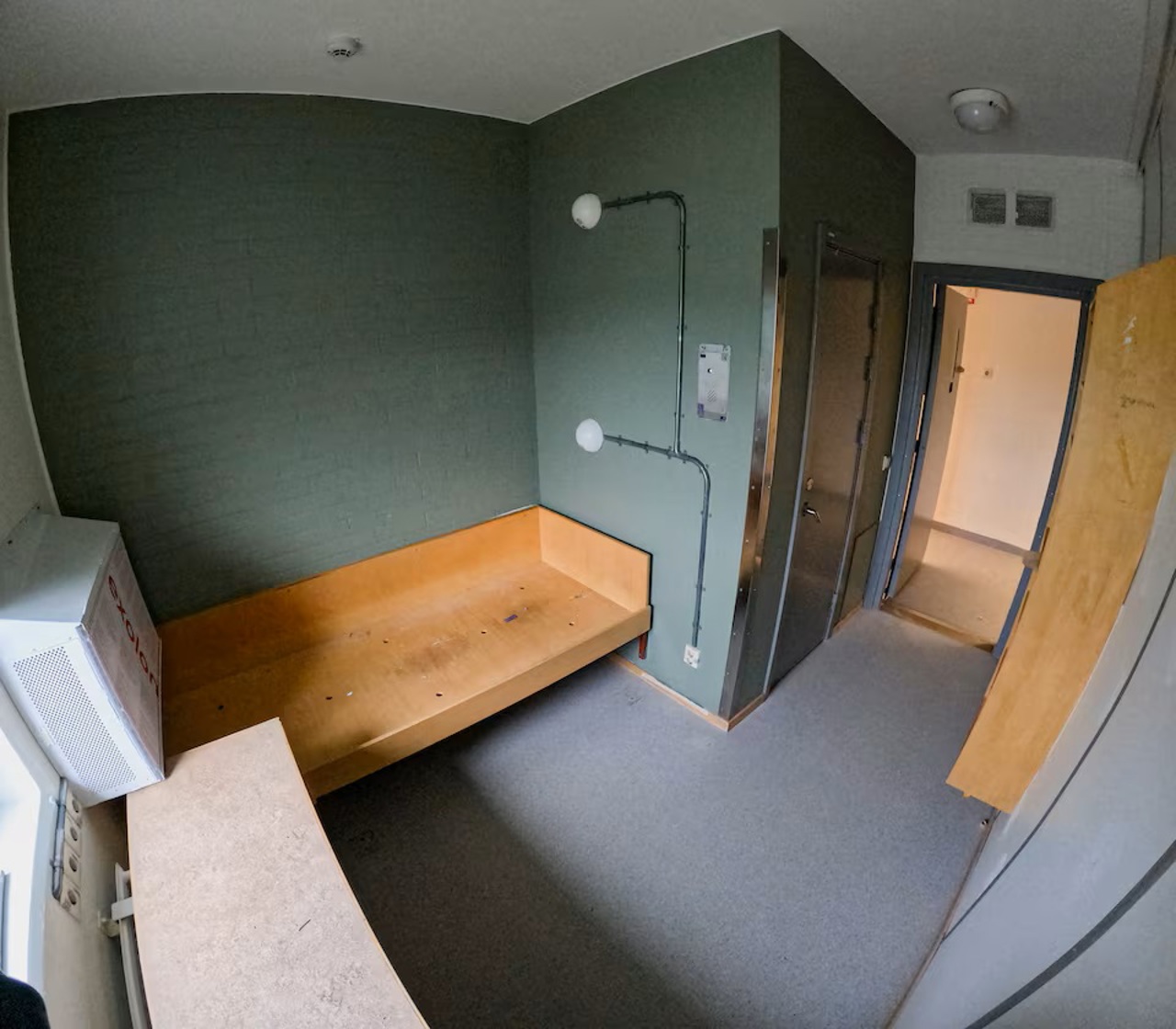
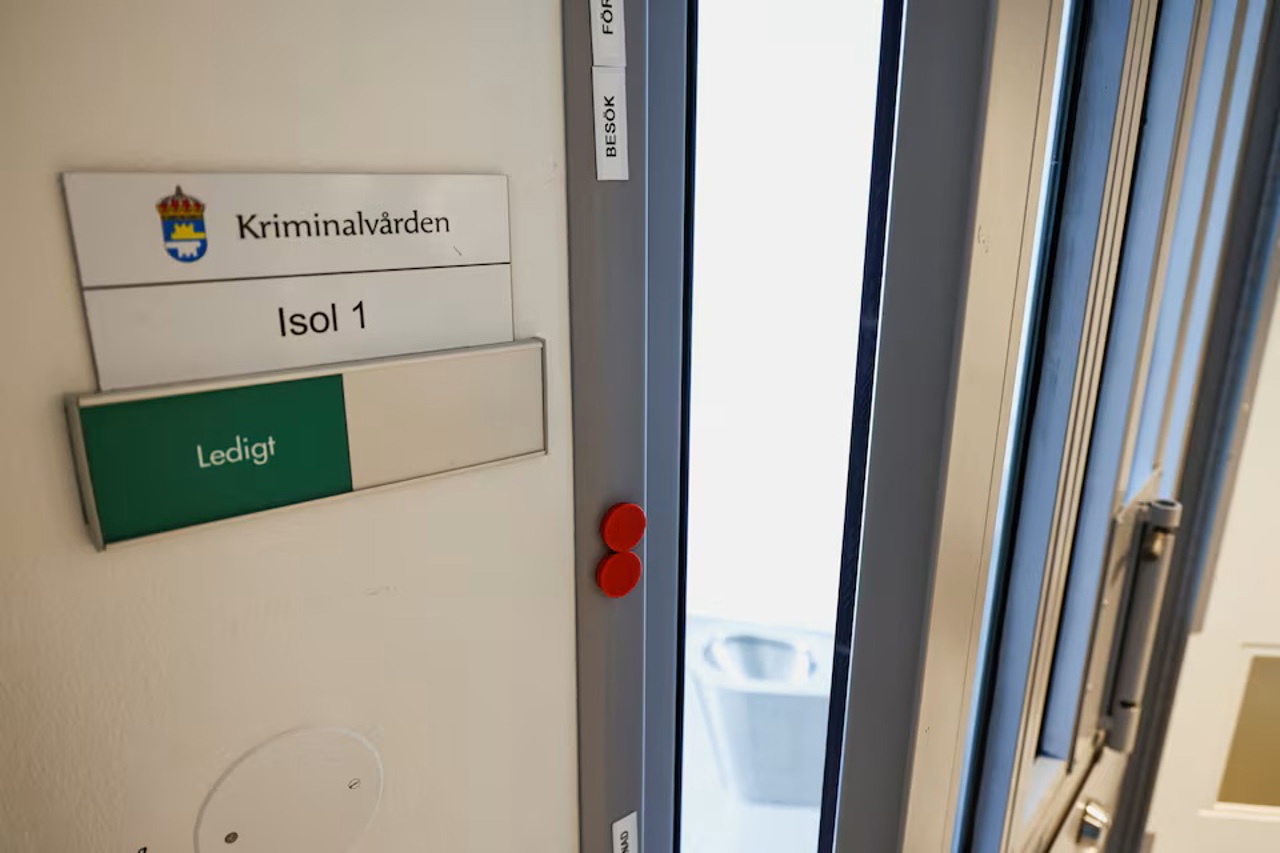
At the Rosersberg facility north of Stockholm, authorities are renovating one of three strategic hubs designed to hold the country's most violent youth. The daily routine inside will prioritize mandatory education.
Inmates will have access to televisions, video games, and gym facilities during their free time. However, cells will be locked every night at 20:00, personal smartphones are strictly prohibited, and chess lessons will be integrated to improve cognitive focus.
Prison director Gabriel Wessman expects the first arrivals this autumn. He noted that the greatest challenge compared to adult inmates will be providing comfort and support to adolescents who have never lived away from their parents.
"They will grow up here," Wessman stated, adding that the institution must guide them through puberty. "They are not allowed phones, while chess lessons will help them focus. But they also need a way to express their emotions."
Historically, Sweden's social services managed juvenile offenders, but the public now views this framework as a failure. A damning report by the Swedish National Audit Office revealed that nine out of 10 gang-affiliated youths placed in social care centers recidivate, and eight out of 10 eventually enter adult prisons.

The executive branch argues that prison sentences for children will protect public safety, deliver justice to victims, and sever minors' ties to criminal networks. However, opposition lawmakers and academic experts raise serious concerns regarding the emotional toll on children.
"A 13-year-old child is a child – someone who is not even of legal age to buy energy drinks. Children under 15 who commit serious crimes should be taken into foster care and offered treatment, not locked up," argued Wilma Roth, spokesperson for the Center Party.

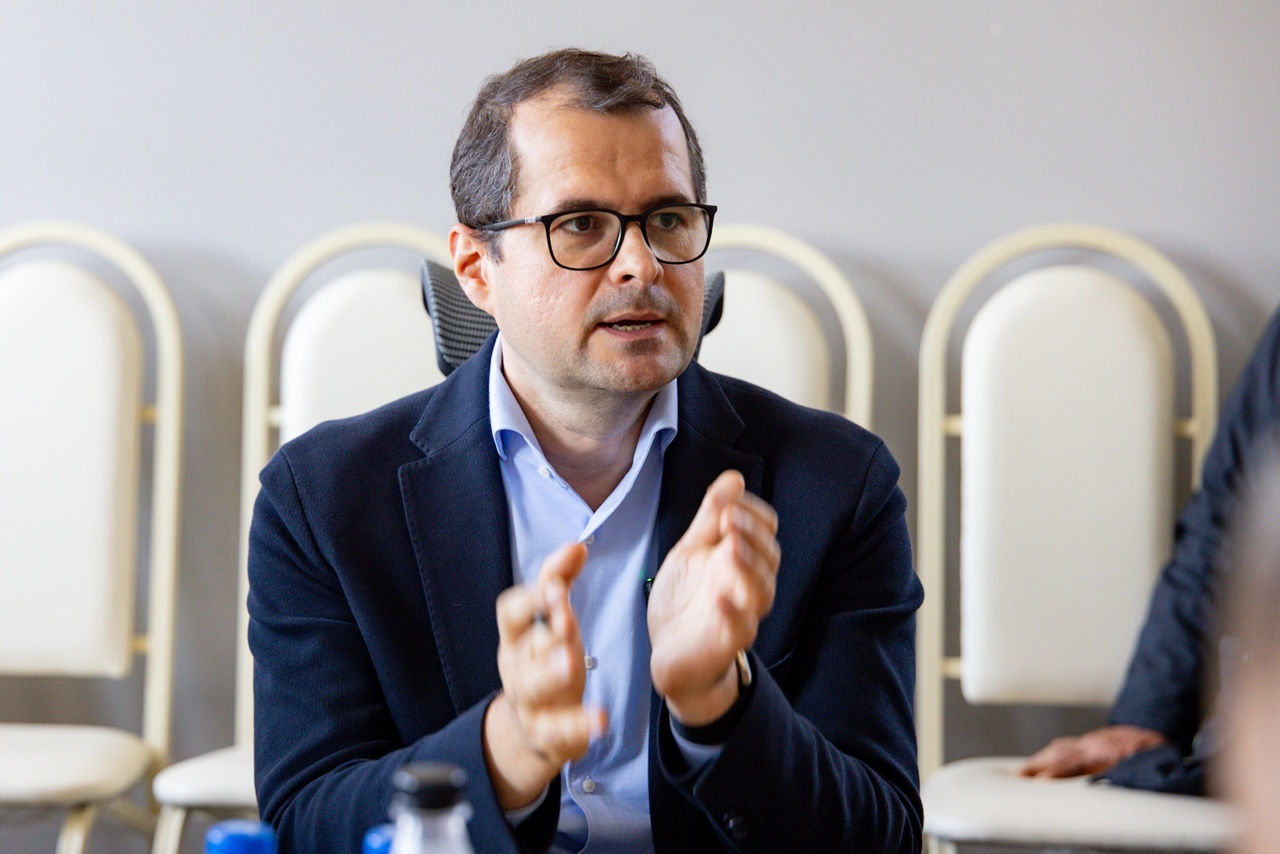
Felipe Estrada Dorner, a professor of criminology at Stockholm University, warned that incarcerating marginalized children risks permanently destroying their life chances. However, he acknowledged the public pressure, noting that society cannot allow criminals to walk free on the streets.
This judicial pivot mirrors previous regional experiments. Denmark lowered its criminal responsibility age to 14 in 2010, though subsequent research concluded the measure had no measurable impact on crime rates. Conversely, the United Kingdom and Northern Ireland, where the age of criminal responsibility stands at 10, are currently debating raising their respective thresholds.
Translation by Iurie Tataru
Felipe Estrada Dorner, a professor of criminology at Stockholm University, warned that incarcerating marginalized children risks permanently destroying their life chances. However, he acknowledged the public pressure, noting that society cannot allow criminals to walk free on the streets.
This judicial pivot mirrors previous regional experiments. Denmark lowered its criminal responsibility age to 14 in 2010, though subsequent research concluded the measure had no measurable impact on crime rates. Conversely, the United Kingdom and Northern Ireland, where the age of criminal responsibility stands at 10, are currently debating raising their respective thresholds.
Translation by Iurie Tataru