Moldova farmers protest VAT hike on national highways
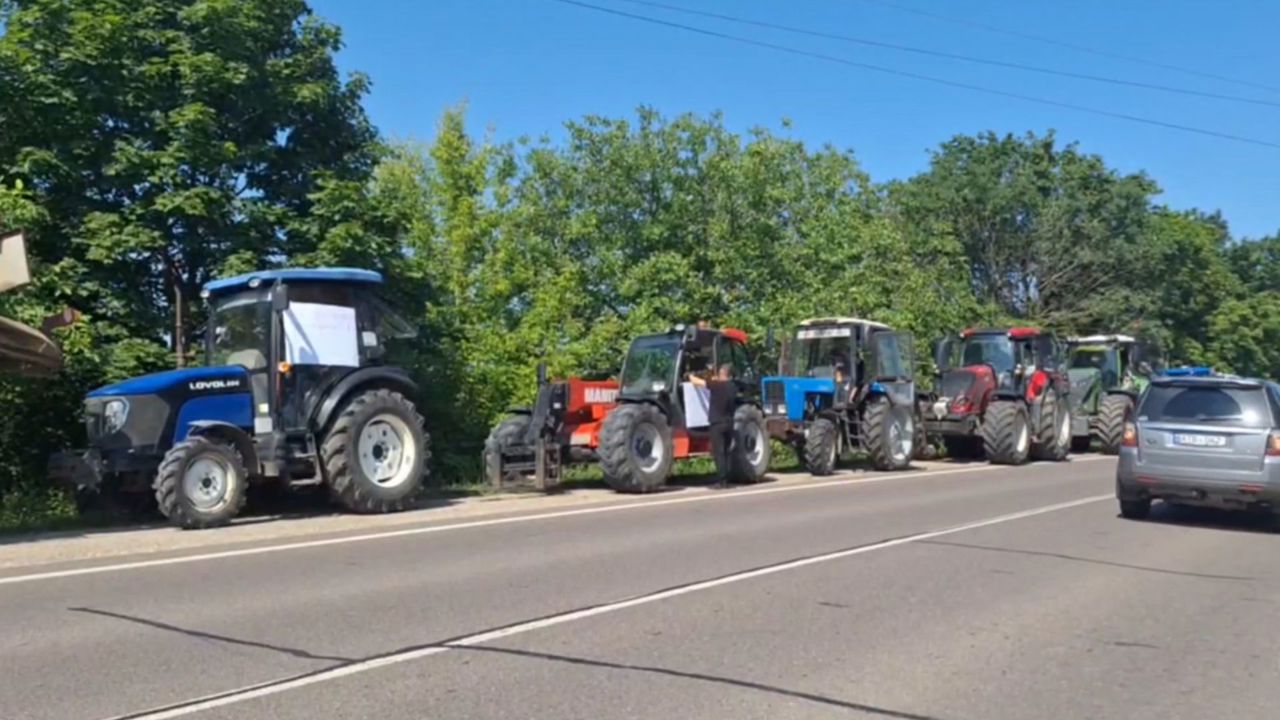
Farmers from more than 15 districts across Moldova staged protests with agricultural machinery on national highways on Wednesday, June 24.
The demonstrators are opposing a proposed fiscal policy reform for 2027, which plans to replace the current 8% reduced Value Added Tax (VAT) rate for agriculture with a standard 20% rate.
Farming associations warn that the tax increase will trigger severe financial distress in a sector already vulnerable to high input costs. Producers are demanding direct per-hectare subsidies for grain and oilseed crops, alongside full excise duty refunds on diesel for 2026.
Government promises mitigation measures
Agriculture Minister Ludmila Catlabuga stated that the ministry remains engaged in continuous dialogue with farming representatives to consolidate a joint proposal for the Ministry of Finance.
The government is evaluating several scenarios, including models utilized by EU member states, to shield producers from immediate liquidity shocks.
Alternative budget revenue streams are also under review, such as applying a 20% tariff on certain agrifood imports to protect domestic markets.
Structural reform path maintained
Prime Minister Alexandru Munteanu affirmed during the executive meeting that while consultations will continue, the broader direction of the fiscal reform remains unchanged. He emphasized that the overhaul is vital for long-term economic investment and international partnerships.
To prevent cash flow disruption, Finance Minister Andrian Gavriliță announced a relief package designed to offset the VAT increase.
The state plans to implement a monthly VAT refund system alongside a reverse-charge mechanism, allowing farmers to trade at an effective 0% VAT rate.
"The state does not need VAT revenue from farmers," Gavriliță stated ahead of the cabinet meeting. "The state needs them to export."
The final draft of the fiscal policy will be stabilized following extended consultations with business leaders, local authorities, and civil society.
Translation by Iurie Tataru