Hormuz shipping crisis deepens as Iran intensifies attacks
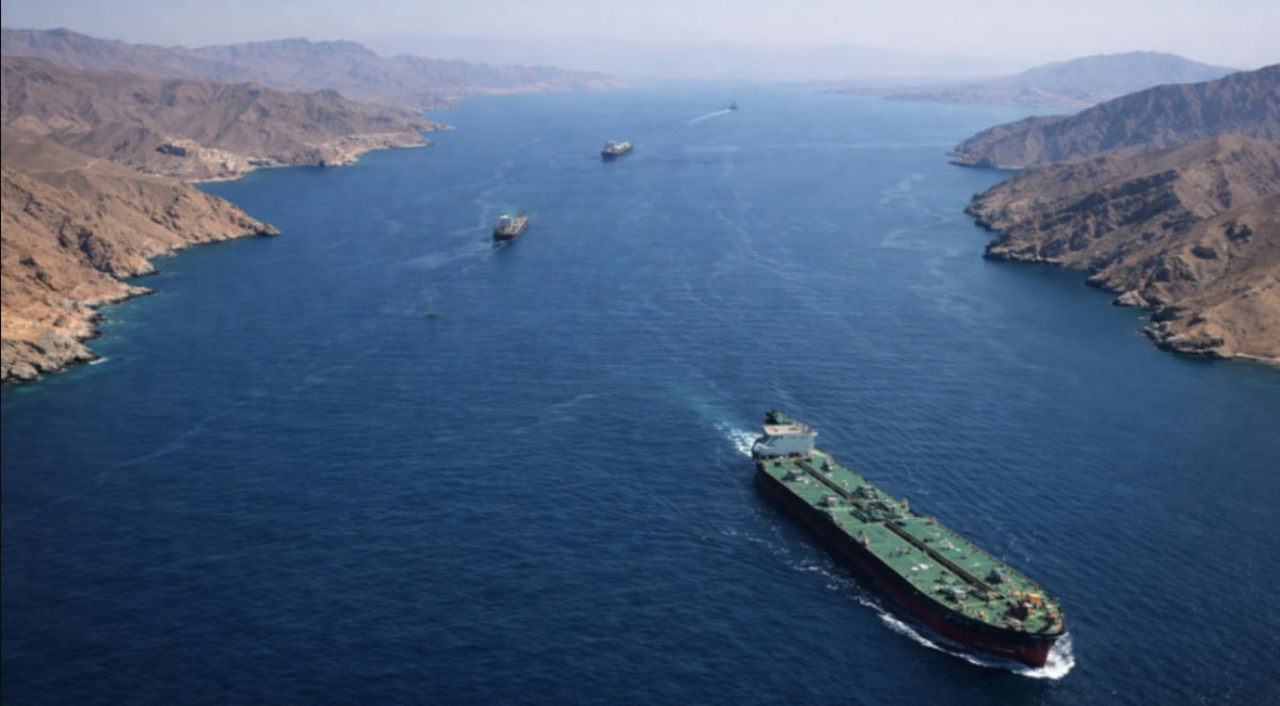
Maritime security conditions in the Strait of Hormuz have deteriorated to a worst-case scenario for global shipping. Escalating Iranian strikes on commercial vessels have forced major maritime operators to bypass one of the world's most critical energy chokepoints.
Dimitris Maniatis, Director General of maritime risk assessment firm Marisk, stated that vessel crews are more anxious now than at any point since the conflict began. Speaking at an industry briefing organized by Lloyd's List Intelligence, Maniatis noted that operators are increasingly refusing to transit the volatile corridor.
Escalation in international waters
According to the International Maritime Organization (IMO), at least nine vessels have faced targeted attacks since July 6. Tehran is actively attempting to force commercial traffic out of the secure international corridor, which is protected by US naval forces along the Omani coast, and into Iranian territorial waters.
The human toll of the conflict continues to rise following recent targeted strikes. A maritime worker was killed and three others were injured during an attack on the tanker Al Bahyah near Oman, while another strike on the Mombasa B left 11 crew members injured.
Industry analysts confirm that Iran is deploying anti-ship missiles alongside marine mines. This technical escalation has rendered the primary shipping lanes through the Strait of Hormuz exceptionally hazardous.
Severe drop in maritime traffic
US President Donald Trump previously declared that the strait would remain open to all global traffic except Iranian vessels, following the reinstatement of the American naval blockade.
In practice, however, commercial traffic has ground to a near standstill. Data from analytics firm Kpler shows that only eight vessels transited the Strait of Hormuz on Thursday, down from 15 the previous day. Prior to the conflict, the route averaged over 100 daily transits.
In response to the tanker strikes, the United States has launched six waves of airstrikes against Iranian targets. Teheran has retaliated by striking Washington's Gulf allies, while raising fears that joint threats from Iran and Houthi rebels could soon close off alternative routes in the Red Sea.
Translation by Iurre Tataru