Moldova HiTech Park unveils Stauceni masterplan for Tech and MedTech Hub
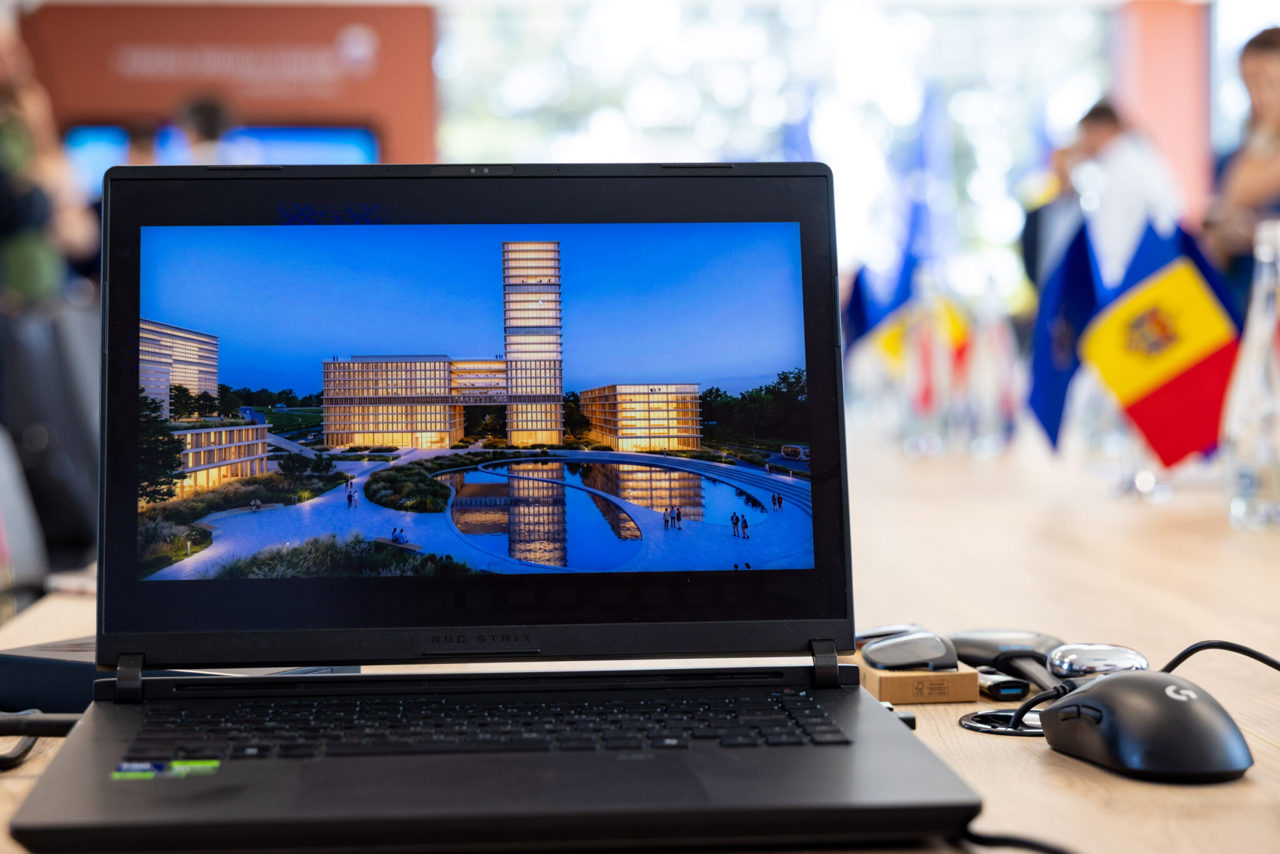
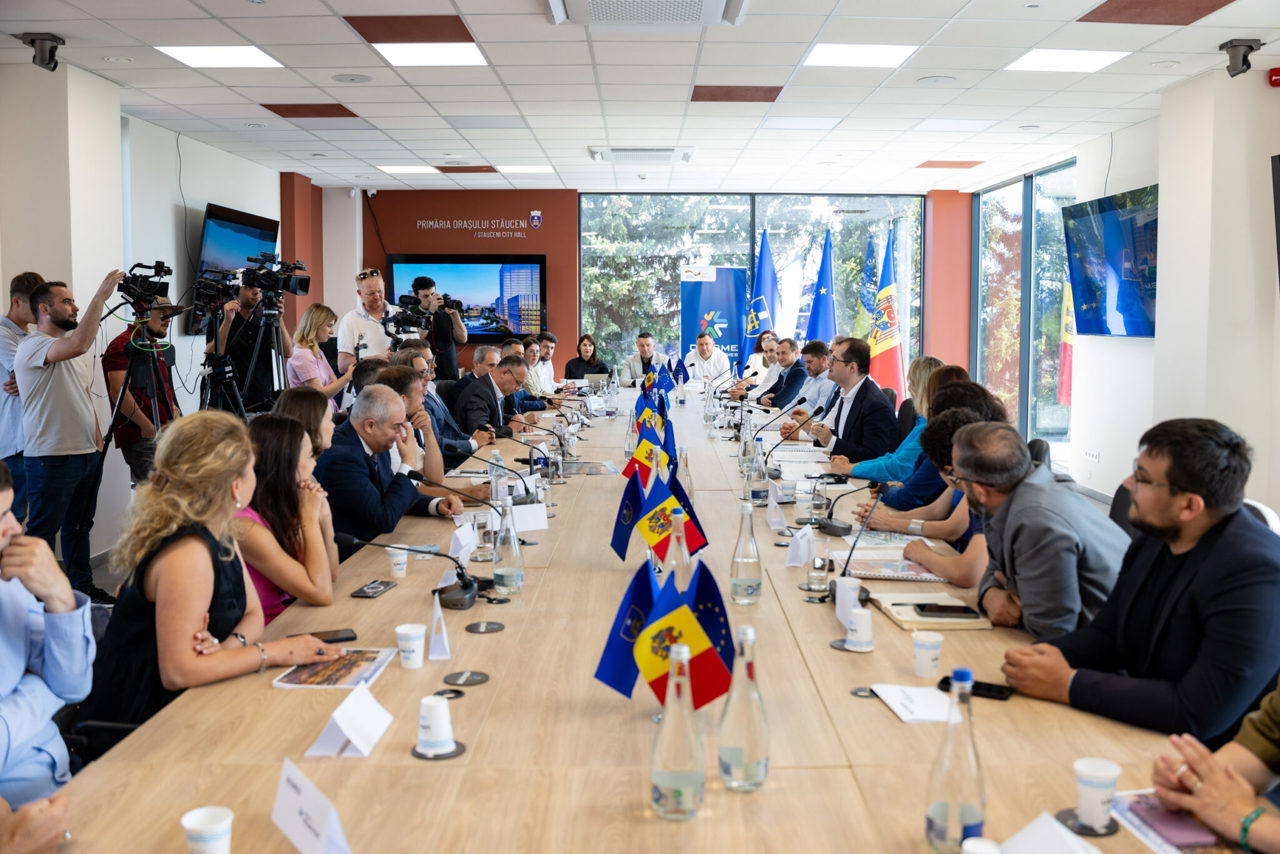
Moldova HiTech Park has officially transitioned to the urban planning phase following the presentation of its master plan on August 13 for a 50-hectare technology and innovation campus in Stauceni, a suburb of Chisinau.
The master plan outlines a major development designed to generate over 21,000 high-skilled jobs and encompass up to 600,000 square meters of built space. The campus will host technology companies, research laboratories, startups, and specialized MedTech initiatives.
Public-private partnership and government backing
"A platform of this scale can fundamentally transform our country's trajectory and unlock new opportunities for our people and economy," stated Prime Minister Vasile Tofan during the official event in Stauceni. "The state must focus on its core responsibility: building the necessary infrastructure, ensuring predictability, and clearing the path for private investment."
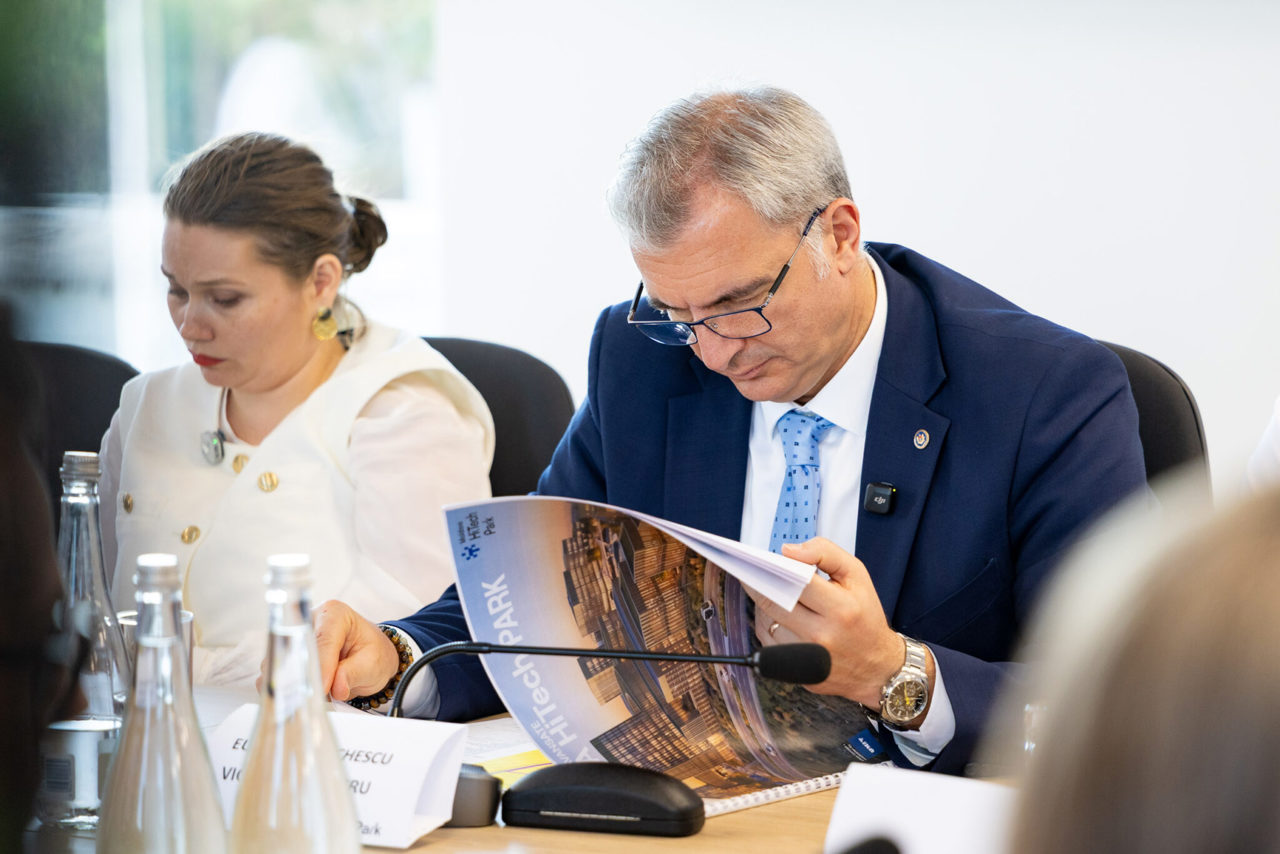
Deputy Prime Minister Eugeniu Osmochescu, Minister of Economic Development and Digitalization, emphasized the strategic imperative of striking a balance between state oversight and private capital. He noted that while hosting GovTech entities within the campus is a welcome move, it requires careful planning regarding state and cybersecurity.
Osmochescu added that authorities are currently in discussions with the European Bank for Reconstruction and Development (EBRD) to anchor the project, with initial concrete investments slated for 2027.
Sustainable design and academic integration
Designed by Romania’s UNITH2B architects alongside local firm Architects Group, with financial support from the German Government through GIZ, the master plan advocates a compact, green campus. The layout integrates dedicated clusters for AI, cybersecurity, microelectronics, advanced engineering, HealthTech, and data infrastructure.
At least 40% of the site will remain dedicated to public green spaces, adopting a "sponge city" model to collect and reuse rainwater. The development targets high international sustainability benchmarks, including preparation for BREEAM certification.
"We designed vertical density specifically to preserve green ground cover and turn rainwater into a valuable resource," explained lead architect Hilde Brandl.
MedTech focus and legal framework
MedTech and HealthTech will occupy roughly 22% of the park’s total area. Technical University of Moldova (UTM) and "Nicolae Testemitanu" State University of Medicine and Pharmacy (USMF)—both shareholders in the park—will share a joint 7,000-square-meter facility estimated at €15 million (approx. 294 million MDL), targeted for completion by 2029–2030.
UTM Rector Viorel Bostan highlighted the direct connection between the university campus and the park as a way to seamlessly bridge academia and industry. Meanwhile, USMF Rector Emil Ceban outlined plans for joint degree programs in medical bioengineering and the potential construction of a modern private university hospital on site.
The project operates under a unique institutional structure, with shareholders including the Public Property Agency (55%), Stauceni Municipality (15%), Chisinau Municipality (15%), UTM, and USMF. A dedicated legislative act, Law No. 206, extends superficies rights for investors from 30 to 50 years, providing long-term legal guarantees.
Following the master plan rollout, the development team will begin drafting the Zonal Urban Plan in spring 2027, alongside topographical studies and utility infrastructure design. Two major transport projects—the reconstruction of the R6 road junction and the expansion of Bucovina Boulevard—are already under design to connect the park to the capital.
Translation by Iurie Tataru