Moldova archives chief reveals 1991 independence text compromises
Moldova toned down its 1991 Declaration of Independence to secure backing from pro-Soviet lawmakers while quietly inserting references to the Romanian language, the country's national archives director said on Tuesday.
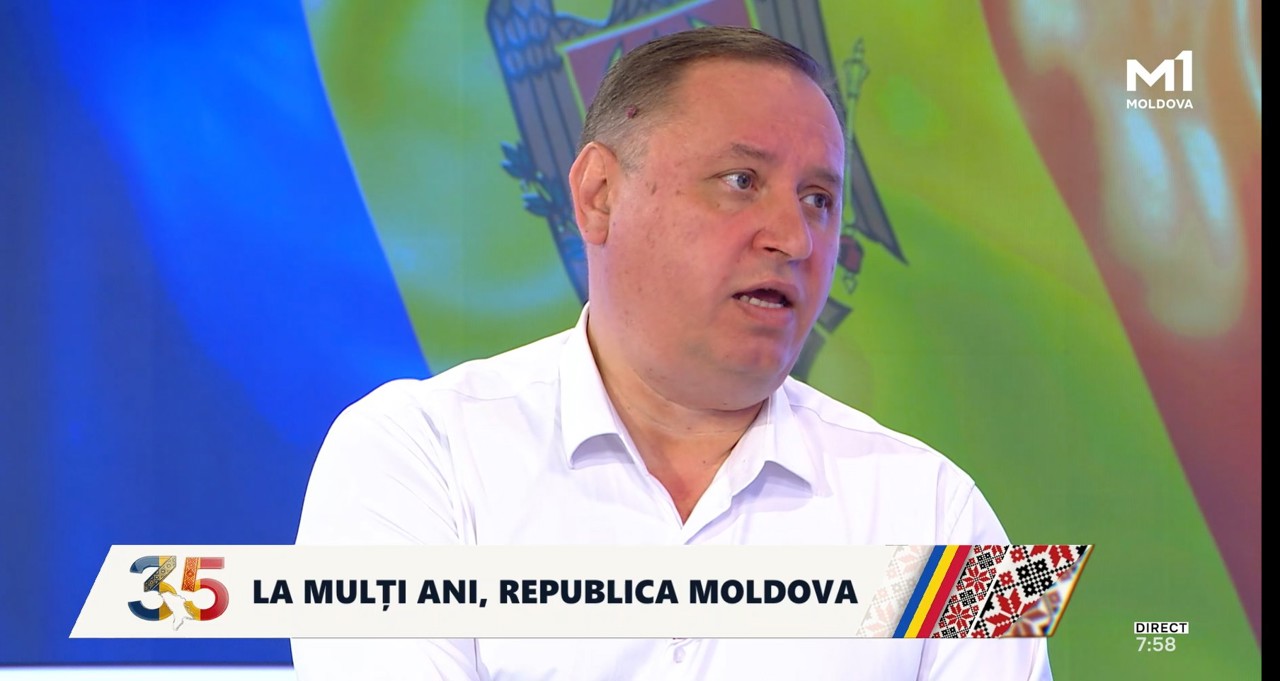
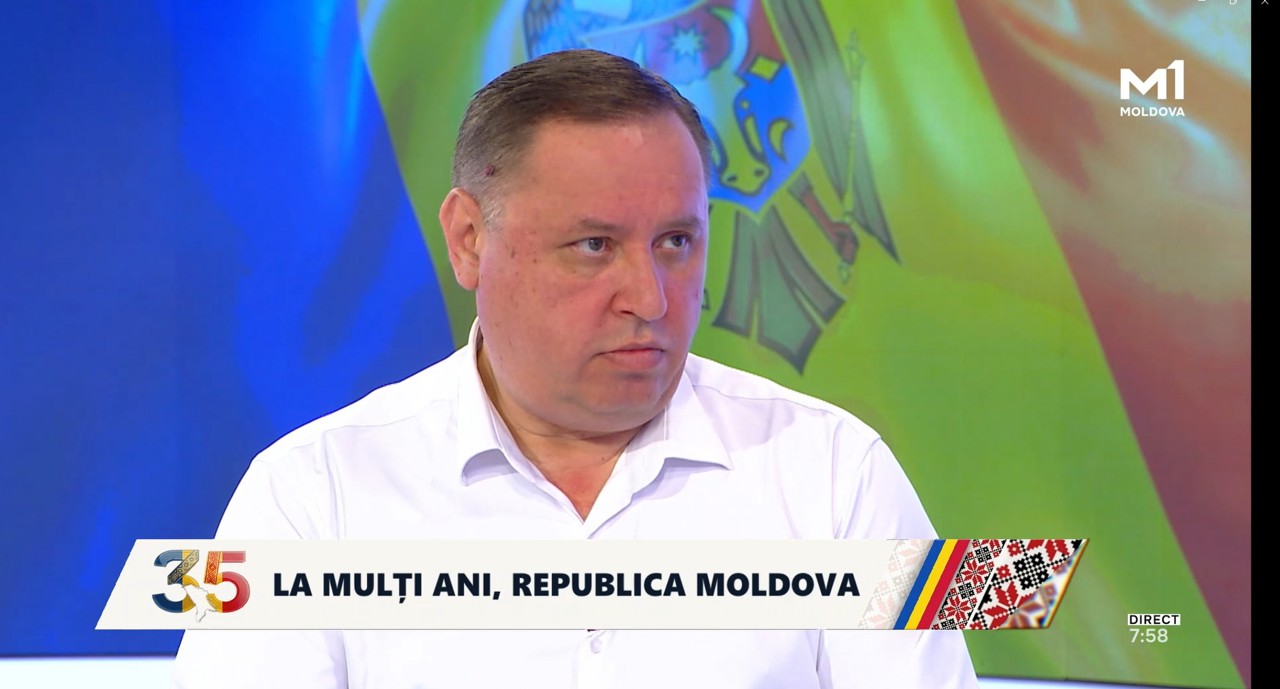
Speaking on public broadcaster Moldova 1 on the 35th anniversary of independence, Igor Cașu, head of the National Archives Agency (ANA), revealed that drafters prepared several drafts before settling on a compromise version to ensure parliamentary approval.
Opponents overlooked the inclusion of the phrase "Romanian language," Cașu said. That clause later proved decisive in 2013, when the Constitutional Court ruled that the Declaration of Independence takes precedence over the constitution, legally establishing Romanian as the state language.
"Our declaration is among the most extensive and detailed in the region, functioning almost as a historical treatise," Cașu said. "The reference to the Romanian language slipped through because opponents failed to notice it."
Street protests and geopolitical risks
Moldova's push for sovereignty began in 1989 with mass hunger strikes and demonstrations demanding linguistic rights in central Chișinău, two years before lawmakers formally approved the separation from Moscow.
The momentum accelerated following the failed August 1991 coup in Moscow. Even with Soviet troops stationed across Chișinău, Moldova became the first Soviet republic to recognize Lithuania’s independence, defying Moscow despite the immediate threat of arrest.
"Courage was at its highest once the risk of mass detentions subsided," Cașu noted, recalling how citizens mobilized through public postings in central Chișinău before the era of mobile communications.

From Western hesitation to European integration
Western capitals were initially reluctant to embrace newly emerged post-Soviet states, leaving Moldova vulnerable to Russian influence, according to Cașu.
In February 1992, U.S. Secretary of State James Baker conditioned the opening of an American embassy in Chișinău on Moldova joining the Moscow-led Commonwealth of Independent States (CIS). Romania was the only country that recognized Moldova's independence immediately.
Cașu highlighted three modern milestones that consolidated the country's statehood over the past 15 years: the EU visa-free regime and free-trade agreement, the 2022 formal application for EU membership, and the recent opening of accession negotiation clusters with Brussels.
"The Declaration of Independence subtly pointed toward the future," Cașu added, noting that the document laid the groundwork for European integration and closer ties with Romania.
Translation by Iurie Tataru