Moldova faces steep EU farm accession talks amid subsidy debts and legal hurdles
Moldova faces demanding European Union accession negotiations in agriculture, officials and industry leaders warned Monday, as the country races to overhaul farm subsidies, align vast swathes of legislation, and resolve mounting financial backlogs.
The challenges surrounding Chapter 11 (Agriculture and rural development), Chapter 12 (Food safety, veterinary and phytosanitary policy), and Chapter 13 (Fisheries)—all grouped under EU Negotiating Cluster 5—were debated during the latest edition of "Eu și Uniunea Europeană" on public broadcaster Moldova 1. While government representatives insist Chișinău is meeting its accession timeline, parliamentary leaders and agricultural producers voiced concern that reforms risk becoming a mere box-ticking exercise without adequate domestic funding.
Institutional readiness and AIPA accreditation by 2028
Ina Butucel, Deputy Secretary-General of the Ministry of Agriculture and Food Industry, acknowledged that the accession dialogue will be rigorous due to the immense volume of European regulations requiring domestic transposition and enforcement.
“On one hand, we are managing a substantial volume of legal acts that the ministry, alongside other administrative bodies, must transpose into national law while ensuring coherent implementation,” Butucel said. “On the other hand, it requires institutional infrastructure capable of enforcing the EU acquis and helping farmers adapt smoothly.”
Central to this transition is the Intervention and Payments Agency for Agriculture (AIPA), which currently manages national farm support and must obtain EU accreditation by 2028 to administer pre-accession and Common Agricultural Policy (CAP) funds. Parallel efforts are underway at the National Food Safety Agency (ANSA) to train inspectors and accredit testing laboratories to European standards.
Strategic shift to direct area payments
Moldova’s Strategic Agricultural Policy Program for 2026–2030 marks a structural shift from post-factum capital subsidies toward direct hectare and livestock payments, mirroring EU CAP mechanisms. Under the program, national funding is projected to expand from €114.6 million (approx. 2.3 billion MDL) in 2026 to €264 million (approx. 5.3 billion MDL) by 2030, targeting rural infrastructure, storage, processing, and environmental compliance.
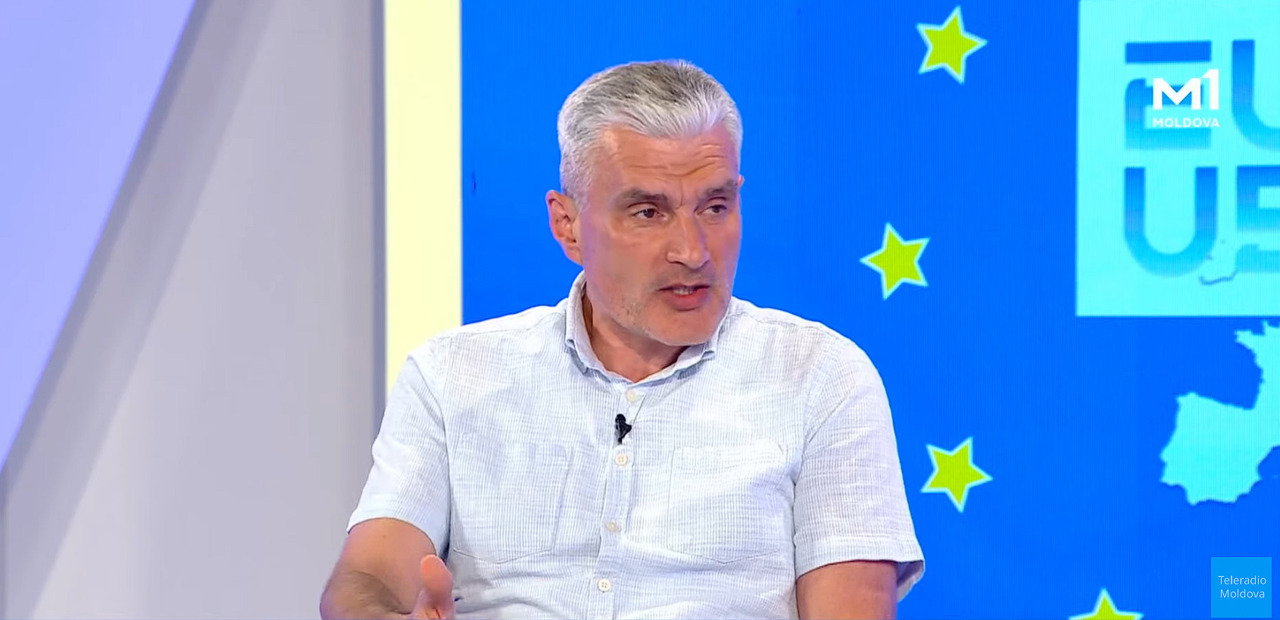
However, Serghei Ivanov, Chair of the Parliamentary Committee on Agriculture and Food Industry, cautioned that hurried transposition without local adaptation threatens domestic producers.
“The pace is far too fast given the depth of analysis required,” Ivanov said, stressing that field crops account for 70% of Moldova's arable land. “Laws are being adopted without the necessary implementing mechanisms. For instance, delays in passing government norms for Law No. 403 on pesticides cost the budget over €0.8 million (approx. 16 million MDL) in uncollected revenue intended for research institutions, while preventing farmers from accessing affordable inputs.”
Mounting arrears and administrative strain
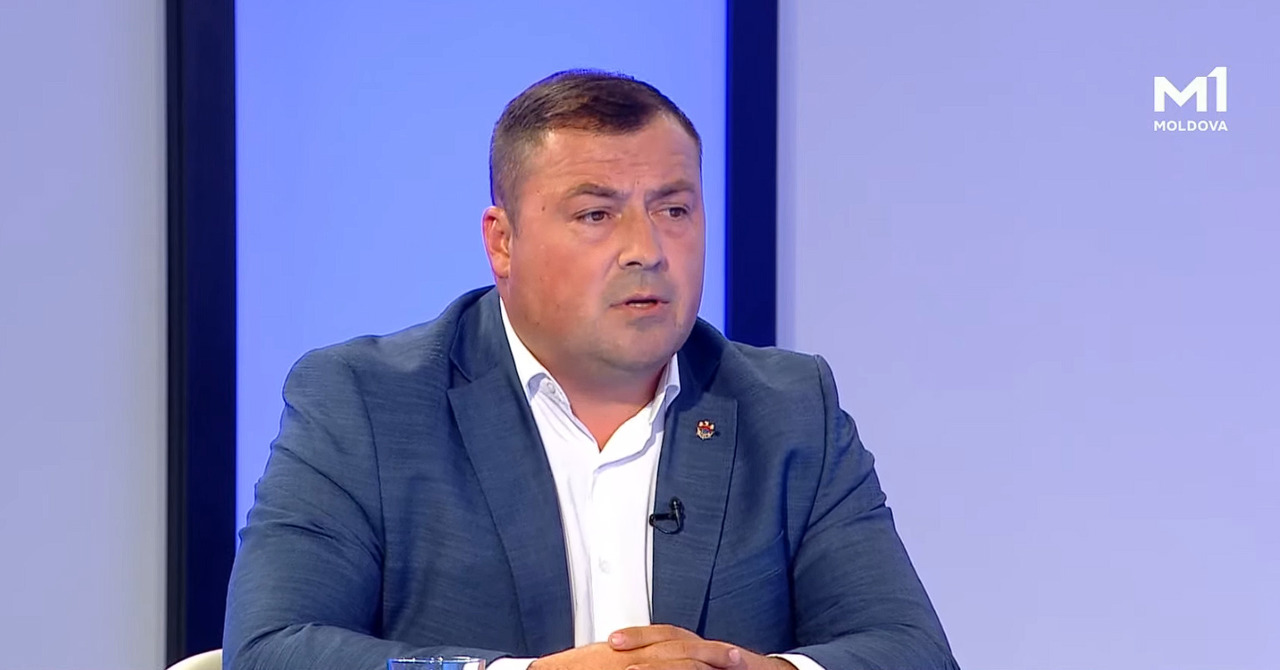
Alexandr Slusari, Executive Director of the "Forța Fermierilor" Association, warned that the current subsidy system is in severe distress, carrying roughly €199 million (approx. 4 billion MDL) in accumulated arrears. About €100 million (approx. 2 billion MDL) of that sum faces acute disbursement uncertainty.
“AIPA has lacked a permanent director for five years, while staff managing a fund worth over €100 million earn just 8,000 to 9,000 lei (approx. €400–€450) per month,” Slusari said. “Farmers are already adopting crop rotations and soil standards, but without transitional financing, many will struggle to survive the shift to the new model.”
In response, Butucel stated that AIPA is undergoing structural reorganization to raise staff wages and prepare for European audit scrutiny, confirming that a permanent director will soon be appointed. Economic expert Viorel Chivriga emphasized that EU approximation must be approached pragmatically: “It is not just about waiting for funds. The real meaning of these reforms lies in boosting farm productivity, securing steady incomes, and mitigating climate risks.”
Translation by Iurie Tataru
RELATED COVERAGE
- Moldova approves €150M EIB agrifood modernization deal
- Moldova secures €150m EIB loan for agribusiness modernization
- Moldova raises state aid ceilings to €300,000, aligns with EU rules
- Moldova farmers nominate Slusari for Agriculture Minister
- Moldova targets 1.55m tonnes harvest amid low grain prices