Moldova warns of severe water crisis amid historic drought
Moldova faces recurring severe droughts and shrinking freshwater reserves that require immediate emergency measures and decades-long infrastructure investments, President Maia Sandu warned on Tuesday amid critically low river levels nationwide.

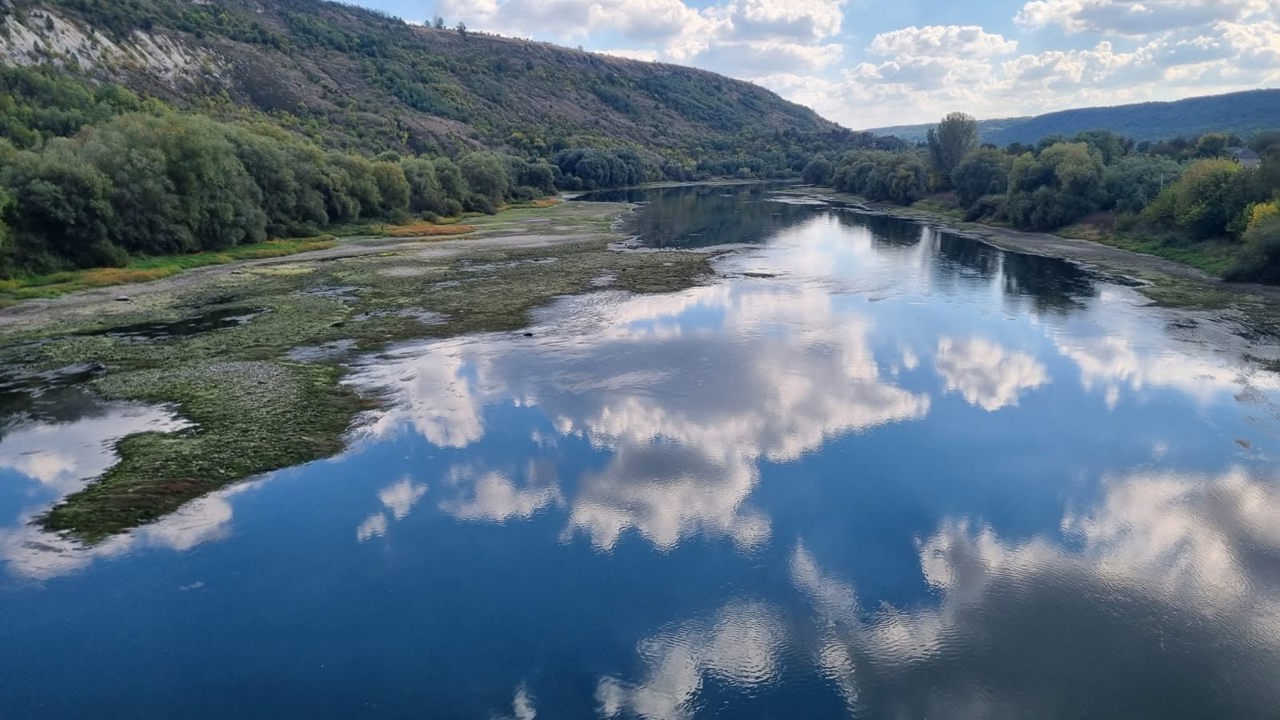
“Water is becoming an increasingly urgent issue for the Republic of Moldova,” Sandu wrote on social media. “The drought has led to dramatic drops in water levels in both the Dniester and the Prut. Unfortunately, there is a risk that this autumn’s crisis will recur annually due to worsening climate change.”
Critical drops along the Dniester and Prut
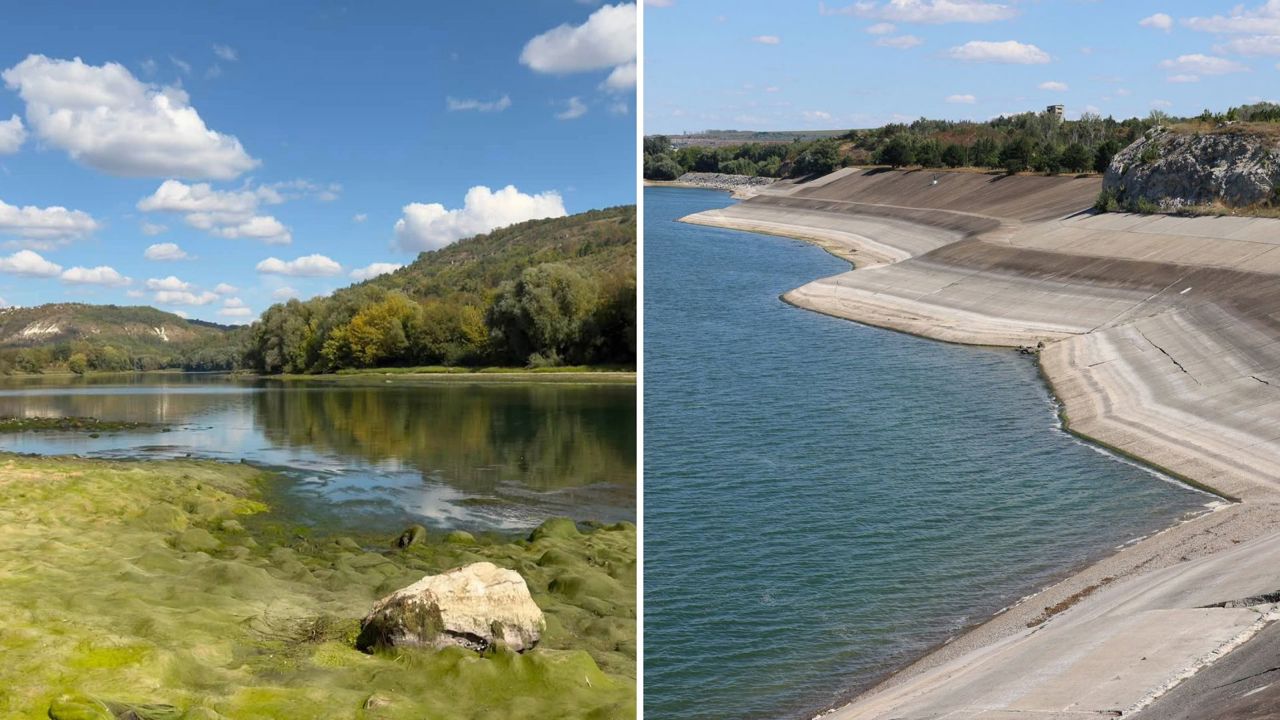
Several communities are already feeling the direct impact of declining river flows. In the Dniester basin, supply depends heavily on Ukraine’s Novodnistrovsk reservoir, where water levels have dropped by more than 10 metres to critical levels.
Consequently, Ukraine is now supplying tap water on a rationed schedule in several localities. Along the Prut River, authorities reduced the discharge rate to 14 cubic metres per second, leaving only 72 centimetres before water can no longer be evacuated through the hydrotechnical intake system. The Prut feeds municipal networks across the western districts of Ungheni, Cahul, Cantemir, Glodeni, Fălești, and Leova.
“The Government, together with local mayors and responsible agencies, must coordinate solutions to avert a full-scale crisis,” Sandu stated. “Intake stations must be upgraded, and alternative water sources prepared for use. Right now, our sole shared responsibility is ensuring running tap water for our people.”
Long-term climate resilience strategy
Sandu stressed that immediate intervention must be coupled with structural investments over the next 10 to 30 years. Planned measures include modernising water intake networks, boosting water recycling, building storage reserves, plugging pipe leakages, and expanding national afforestation to restore natural aquifers and reduce soil erosion.
The hydrological alert comes as river discharge rates on key sectors have plunged to historic lows of just 10% to 15% of seasonal averages. Environment Minister Gheorghe Hajder stated on Tuesday, 29 September, that Chișinău can no longer negotiate increased flows from Ukraine because Novodnistrovsk’s operating reserves are nearly exhausted, meaning incoming water merely passes through the reservoir without retention.
On the Prut, the Costești–Stânca reservoir fell by 1.28 metres over the past month alone. The State Hydrometeorological Service has placed multiple river basins under red, orange, and yellow hydrological drought warnings through at least 2 October.
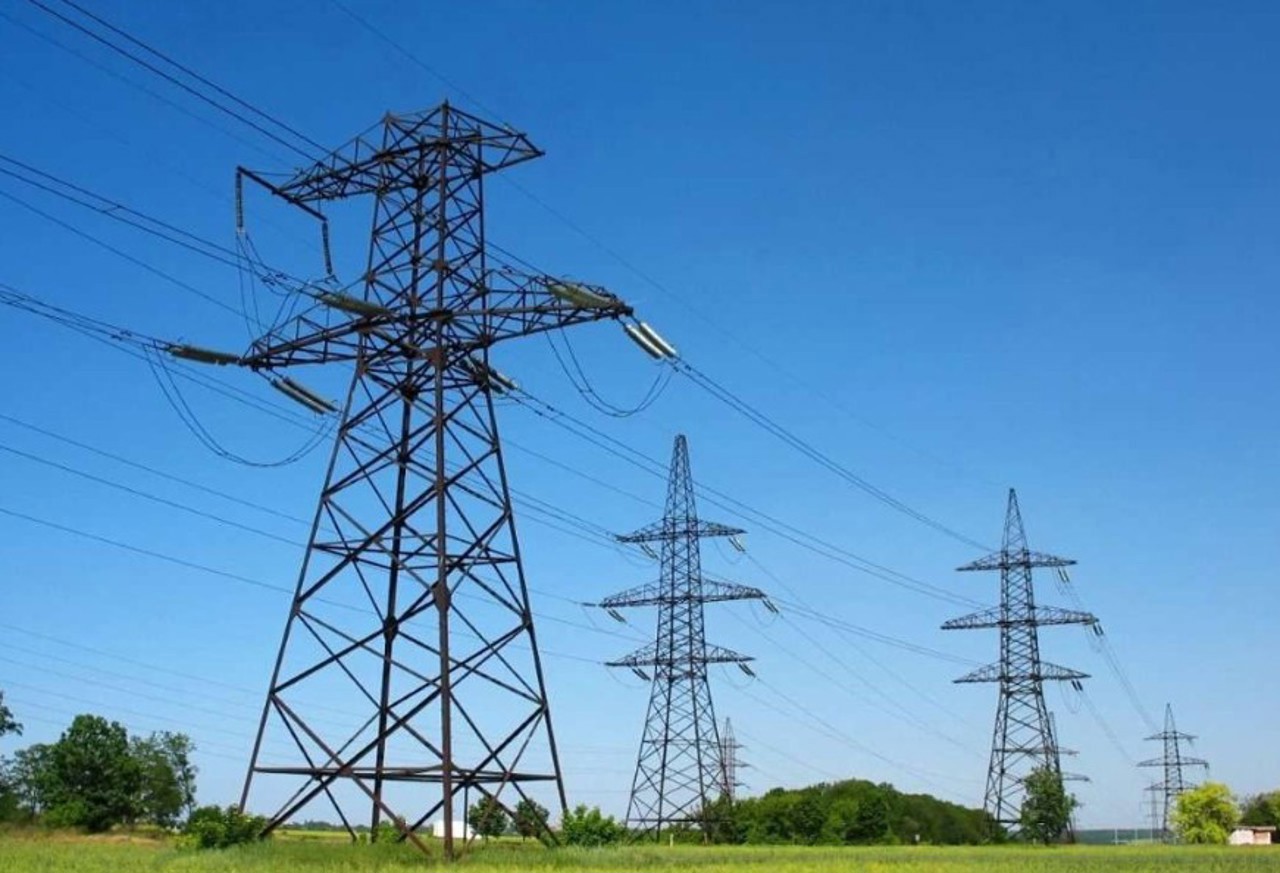
Moldova enacted a 60-day nationwide state of emergency across its energy and water sectors on 26 September, while authorities renewed public appeals for strict water conservation.
Translation by Iurie Tataru
RELATED COVERAGE
- Moldova extends energy and water alert states for 30 days
- Taraclia Reservoir shrinks by 30% as severe drought hits southern Moldova
- New central Moldova water pipeline enters testing amid drought
- OFFICIAL | The government approves the declaration of a state of emergency
- Chisinau is ready for any scenario, storing water in hospitals and kindergartens