Moldova passes EU tax alignment bills ahead of accession
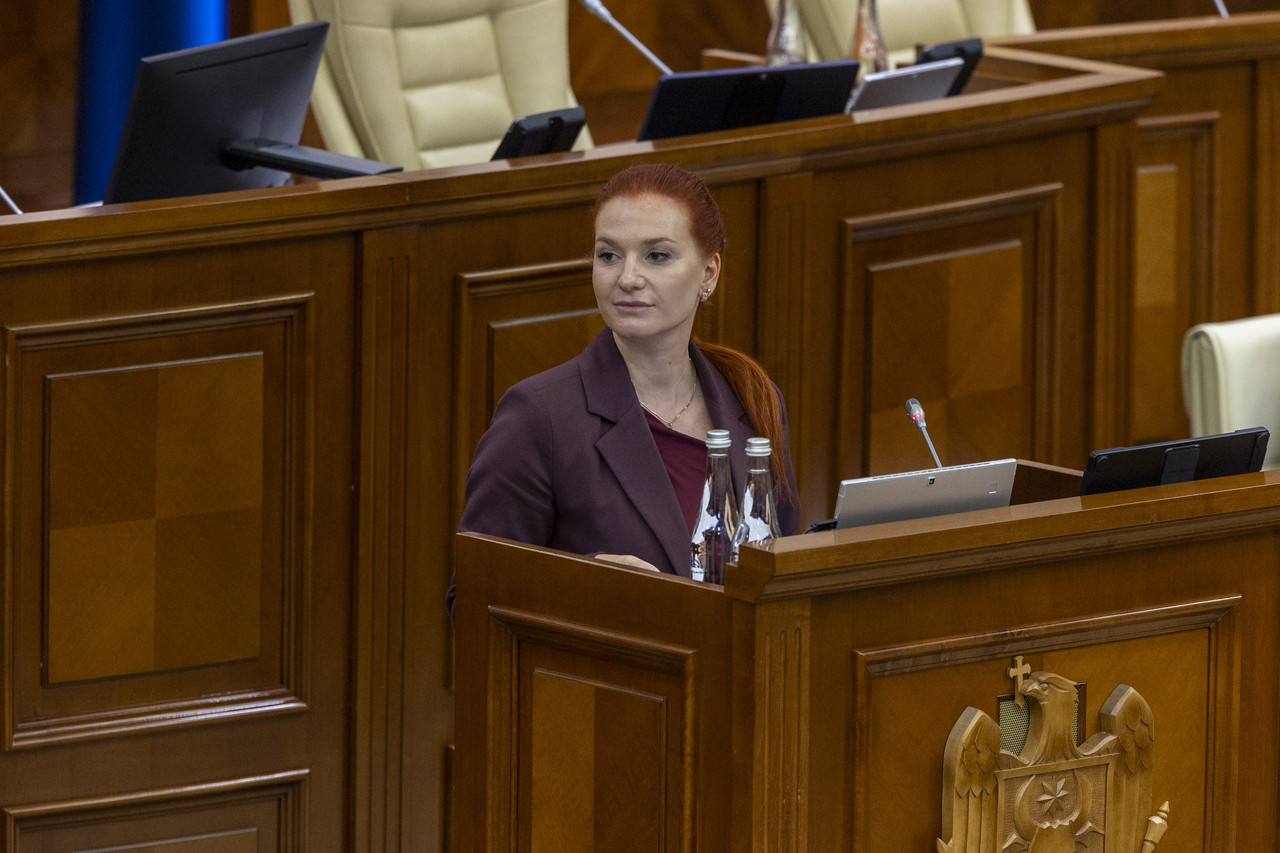
Moldova’s parliament backed legislation on Thursday exempting EU companies from domestic withholding tax on interest and royalties, advancing tax harmonisation ahead of European Union accession.
Under the amendments to the Tax Code approved in the first reading, income originating in Moldova will be exempt from withholding tax if the beneficial owner is an entity registered in an EU member state or a permanent establishment of an EU company.
Alignment with the EU single market
The legislative initiative aims to remove barriers to foreign investment while preventing the double taxation of cross-border corporate yields.
“Capital moves freely across the European Union, and European investors operating in other member states pay dividend taxes in a single jurisdiction to prevent double taxation,” said Marcel Spatari, chair of the Parliamentary Committee on Economy, Budget, and Finance. “Once Moldova becomes a member state, the same principle must apply. European investors deploying capital into Moldova will pay dividend taxes exclusively in their home country.”
State Secretary at the Ministry of Finance Corina Alexa told lawmakers that the bill does not create a tax loophole, but rather clearly designates which national jurisdiction retains taxing rights.
Deferred excise duties for manufacturers
In the same session, lawmakers approved a companion bill establishing a deferred payment framework for excise duties on raw materials used in processing and manufacturing. Under this mechanism, manufacturers will not pay excise duties upfront, provided the potential fiscal liability is secured by guarantees until final production is complete.
“We intend for this bill to take legal effect upon EU accession,” Alexa said. “We will establish a unified framework for harmonised excises, single rules for product traceability, and a single administrative authority responsible for both domestic and imported excisable goods.”
Alexa noted that excise tax rates will undergo further review closer to Moldova's formal EU accession, with the government committing to additional public consultations. Authorities expect the deferral mechanism to provide essential working capital and improve operational cash flow for local producers.
Both legislative drafts require final approval in a second reading and will formally take effect upon Moldova’s accession to the European Union.
Translation by Iurie Tataru
RELATED COVERAGE
- Moldova approves 2027 fiscal package to generate €255m
- Moldova to tax online retail parcels from October 1
- Moldova economy to surge upon EU entry, Economy Minister Nasui says
- Moldova Customs revenue exceeds €1B in H1 2026 amid smuggling push
- Moldova economy outpaces forecasts with 2.7% growth as EU-backed reforms take hold