Chisinau tests green solutions as urban heat raises temperatures
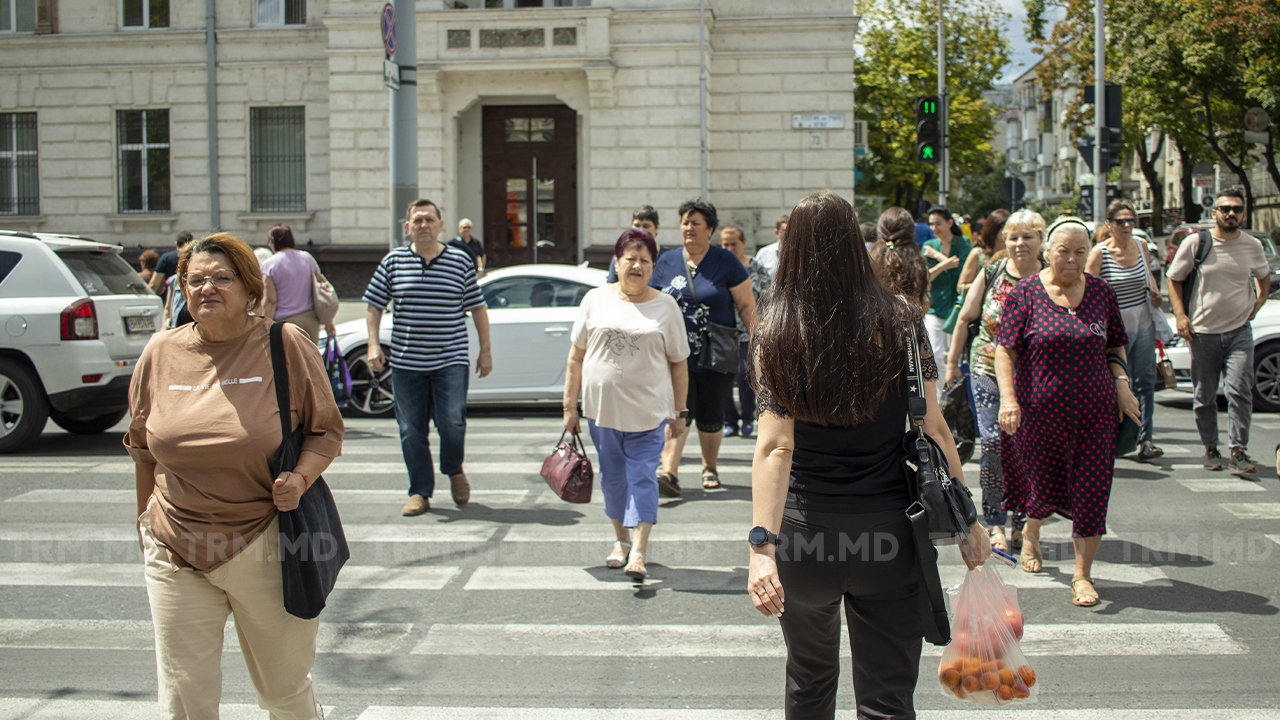
Chisinau faces intensifying summer heatwaves as the capital's average temperature climbed by 1.2 degrees Celsius, driven by rapid urban development and wider regional climate shifts.
Microclimate pressures in dense districts
Urban surfaces including asphalt, concrete, and densely clustered high-rises amplify atmospheric warming, creating localized heat islands where temperatures exceed surrounding rural areas by more than 2 degrees Celsius. Climatologists point to long-term baseline shifts across recent decades.
“When comparing the 1961–1990 period with 1991–2020, rising temperatures become evident,” said Vitalie Mardari of the Applied Climatology Department at the Environmental Monitoring and Meteorology Authority on Radio Moldova. “Averaging these two intervals shows a 1.2-degree difference in Chisinau, compared to 1.4 to 1.5 degrees globally.”
Mardari stressed that the figure represents a sustained climatic shift rather than simple day-to-day fluctuations, creating acute thermal discomfort and heightened public health risks during summer months. In dense neighborhoods, industrial facilities and vehicular traffic trap heat, effectively shifting the capital's microclimate hundreds of kilometers southward.
Nature-based cooling tested in preschools
High-density sectors such as Rascani and Ciocana were designated high-risk zones under the EU-funded "Be Ready" resilience project. In response, municipal authorities piloted low-cost nature-based cooling solutions at a local kindergarten to reduce reliance on air conditioning.
“The educational pavilion was built using eco-friendly materials and wood to mitigate extreme summer heat,” said kindergarten director Victoria Cravtov. “An integrated irrigation system periodically sprays mist, noticeably bringing down surrounding temperatures.”
Financing bottlenecks in national climate goals
While urban adaptation remains a priority, nationwide implementation faces significant constraints due to scarce funding, according to the Ministry of Environment. Planned initiatives focus on expanding tree cover, introducing reflective building materials, and improving airflow corridors across municipal centers.
“In 2024, the Ministry of Environment approved the first Climate Action Law aimed at reaching climate neutrality,” said Marina Lungu, consultant at the ministry's Climate Change Policy Division. “We are committed to reducing greenhouse gas emissions by 70% by 2030 compared to the 1990 baseline.”
Officials warn that cities do not overheat in isolation, but become increasingly hazardous when natural vegetation gives way to unmitigated concrete developments without climate adaptation planning.
Translation by Iurie Tataru
RELATED COVERAGE