Moldova issues red hydrological alert as river flows drop
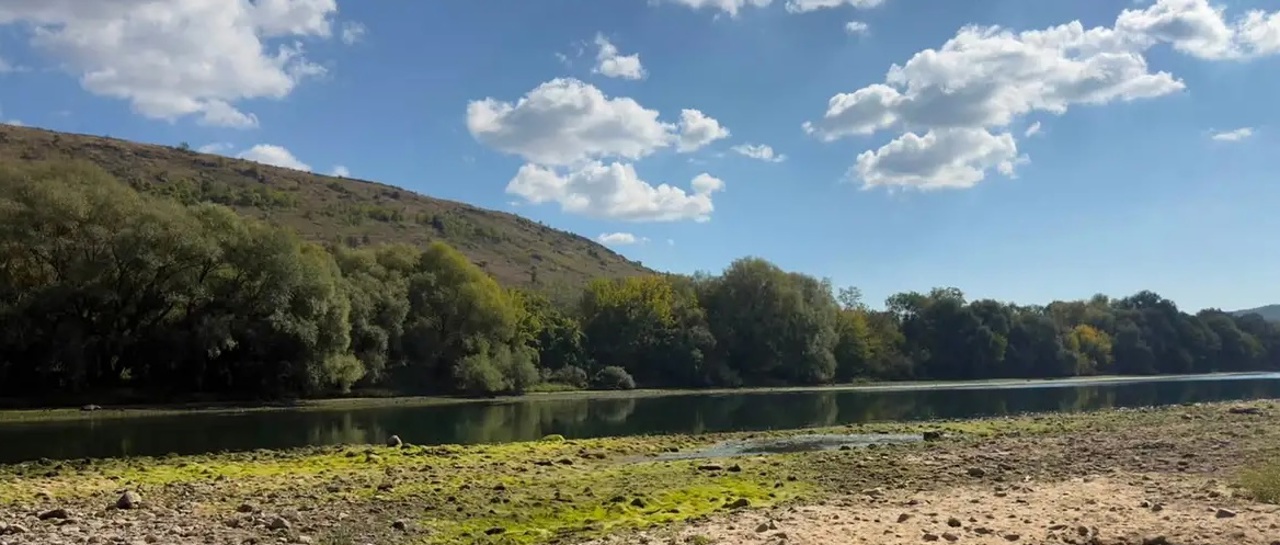
Moldova issued widespread hydrological warnings on Friday as severe drought depleted key rivers, prompting authorities to urge emergency water conservation across households and commercial sectors as flows dropped to historic lows.
Severe deficit along major waterways
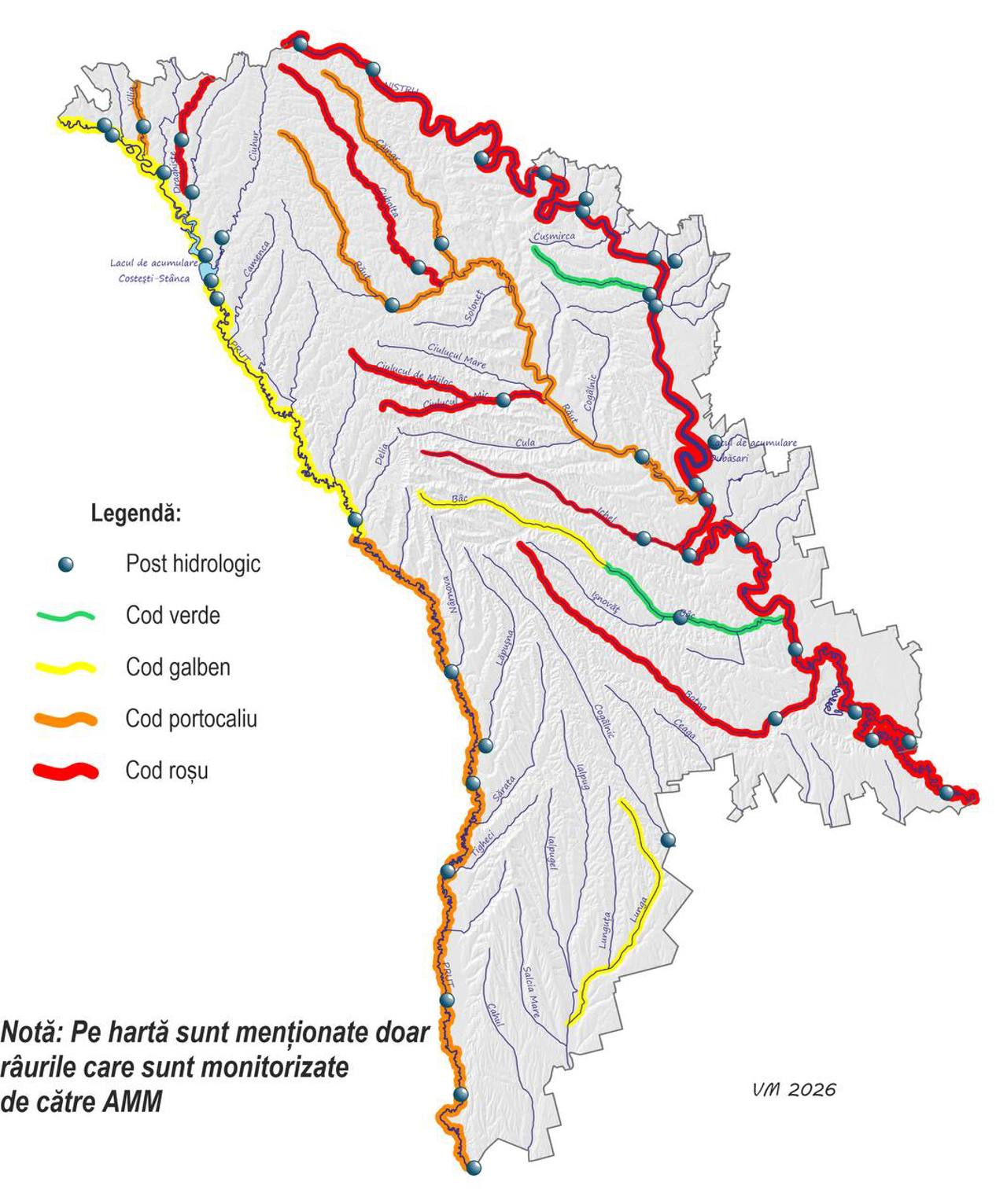
The National Meteorology and Environmental Monitoring Authority issued red, orange, and yellow hydrological alerts valid from 10 to 16 October. Environmental officials noted that water volume across the Dniester River plunged to roughly 20% of its multiannual October average.
Conditions remain particularly acute along the northern Dniester stretch between Naslavcea and Camenca, where flow rates depend heavily on daily water discharges from Ukraine's Novodnistrovsk reservoir upstream.
The Prut River faces similar strain along Moldova's western border with Romania. Forecasters issued a yellow alert between Criva and Ungheni, where levels hover at 30% of normal averages, while the southern stretch between Ungheni and Brânza remains under an orange code at 20% to 30% of typical capacity.
Small basins reach critical thresholds
Several smaller tributaries across the country have neared exhaustion, according to hydrologists. A yellow alert remains in force for the Bâc and Lunga rivers at roughly 40% of baseline volumes, while the Vilia, Răut, and Căinar rivers entered orange status with levels fluctuating between 25% and 30%.
The most acute disruption affects the Ichel, Draghiște, Cubolta, Ciulucul Mic, and Botna rivers, all placed under a red hydrological alert. Discharges along the Ichel River fell to 15% of historical norms, while the remaining four tributaries dropped to 10% or less of expected seasonal flows.
“Households and businesses must use water resources rationally as weather conditions evolve,” the authority said, adding that specialized tracking maps will be updated regularly.
Moldova remains under a nationwide hydrological and energy state of emergency scheduled to run through late November, following an earlier alert that recorded Dniester levels at 20% to 25% of baseline averages.
Translation by Iurie Tataru
RELATED COVERAGE