Recent rains fail to end Dniester River crisis, experts say
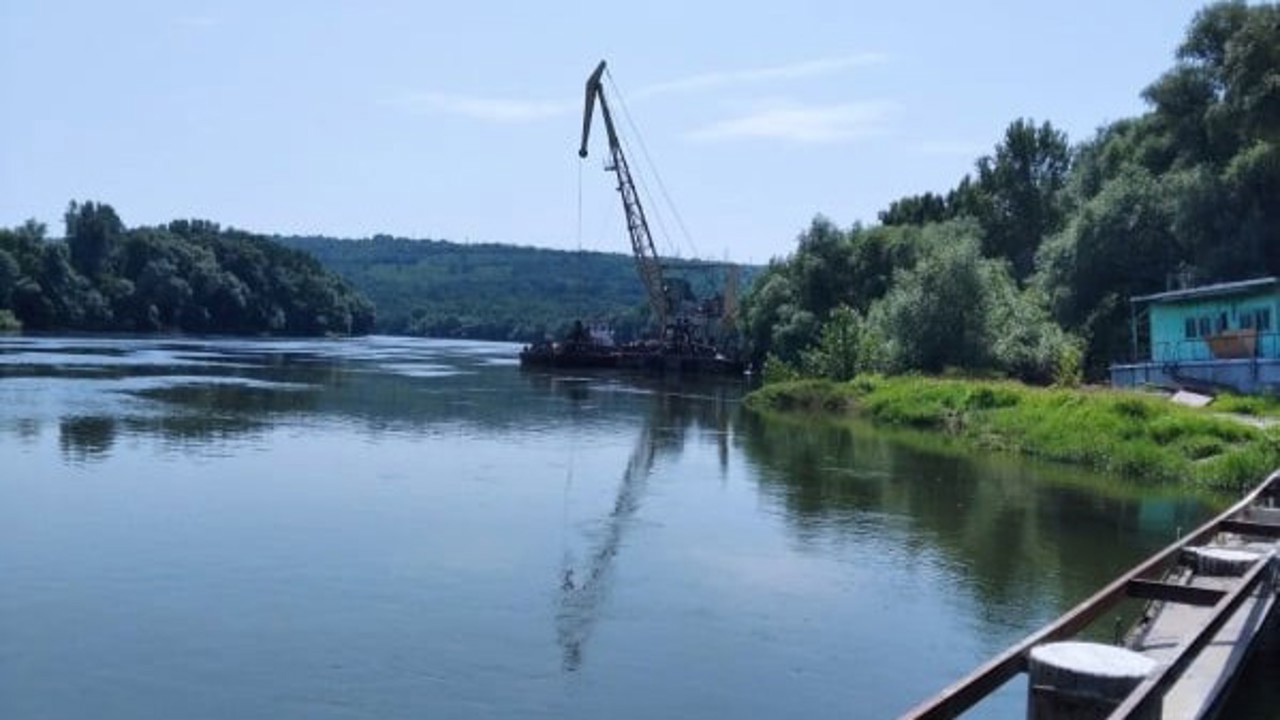
Recent rainfall across Moldova provided only temporary relief for the depleted Dniester River, failing to resolve a broader hydrological crisis threatening municipal water supplies, environmental authorities and independent specialists warned.
The limited precipitation offered a brief reprieve near the primary water intake facilities serving the capital, Chisinau, but downstream volumes remain critically dependent on precipitation in western Ukraine.
Upstream Carpathian deficit
Environmental protection expert Ilia Trombițchi warned that lasting stabilisation requires sustained downpours in the Ukrainian Carpathians, where the bulk of the river's volume originates.
“These rains in Moldova have had a positive impact downstream of the Dubasari reservoir, where the Chisinau intake station operates,” Trombițchi said on public broadcaster Radio Moldova. “For several days, conditions will improve, but fundamentally nothing changes because an enormous volume of water is required to secure the future sustainably.”
Trombițchi noted that water levels in Ukraine's Novodnistrovsk reservoir must rise by three to five metres to ensure stable reserves. However, the Carpathian headwaters received only about 30 millimetres of rain over the past two weeks, leaving regional flow forecasts largely unchanged for the immediate future.
Transboundary coordination
Moldova relies on the Dniester for more than 70 percent of its municipal tap water, making supply stability dependent on discharge schedules negotiated with Ukrainian authorities.
“Since the 1990s, we have developed the bilateral Dniester River Basin Treaty with Ukraine, establishing the joint Dniester Commission,” Trombițchi said. “The commission constantly monitors conditions and holds joint sessions to determine discharge quotas from Novodnistrovsk and Dubasari, which prevents far deeper shortages.”
Runoff from recent storms allowed operators at Novodnistrovsk to increase outflows to 40 cubic metres per second, generating a 14-centimetre water rise in northern Moldova over 24 hours. The intake point near Cosauti also registered improved levels.
Conservation appeals remain active
Environment Minister Gheorghe Hajder confirmed slight gains along sections of the riverbed, but stressed that overall stability remains vulnerable to persistent dry spells.
Hajder reiterated that local downpours around Chisinau cannot compensate for the regional deficit, urging households and agricultural producers across the country to maintain strict water conservation measures until upstream reservoirs recover.
Translation by Iurie Tataru
RELATED COVERAGE
- Ukraine boosts Dniester flow to Moldova by 20% amid severe drought
- Moldova warns of severe water crisis amid historic drought
- The Nistru basin's hydrological situation is difficult, with declining water reserves in the Novodnistrovsk reservoir
- Moldova issues red hydrological alert as river flows drop
- Dniester River levels plunge amid severe drought