Slovakia halts emergency power to Ukraine in retaliation for oil transit freeze
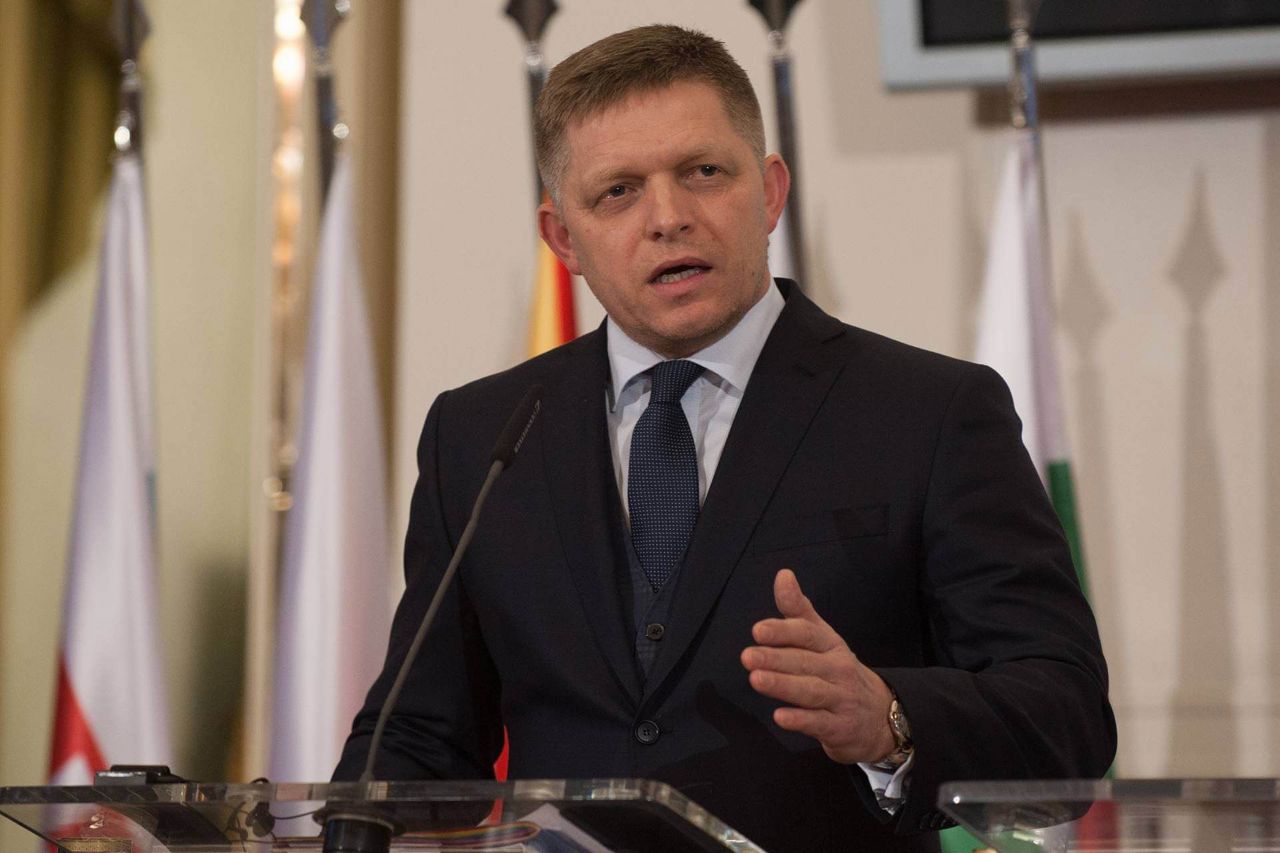
Prime Minister Robert Fico announced that Slovakia will suspend all emergency electricity supplies to Ukraine effective February 23. The move marks a sharp escalation in regional tensions, directly linking energy aid to the restoration of Russian oil flows through the "Druzhba" pipeline.
"As of today, the Ukrainian side will not receive support should they request Slovak assistance to stabilize their energy grid," Fico stated in a national address. The Prime Minister characterized the decision as the first "reciprocal measure" the government could take without violating international obligations.
The diplomatic rift centers on the Druzhba pipeline, which transports Russian crude through Ukraine to refineries in Slovakia and Hungary. While Kyiv attributes the January 27 shutdown to Russian drone strikes on infrastructure, Bratislava and Budapest accuse Ukraine of deliberately obstructing the transit.
Energy as leverage
Prime Minister Fico warned that the suspension will remain in place until oil deliveries to Slovakia resume. He further cautioned that if Ukraine continues to "endanger Slovakia’s strategic interests," Bratislava may reconsider its support for Ukraine's accession to the European Union.
The decision follows a failed attempt at high-level communication. Fico noted he sought a phone call with President Volodymyr Zelenskyy before finalizing the measures, but was informed a conversation would only be possible by mid-week.
Rising regional friction
In Kyiv, Foreign Minister Andrii Sybiha condemned the move, stating that Bratislava and Budapest are "playing into the hands of the Russian aggressor." He urged both governments to act responsibly rather than resorting to "blackmail and ultimatums" regarding EU aid and energy security.
The crisis is compounded by recent reports of a major fire at the Kaleykino pumping station, a critical node in the Druzhba network. Footage of the facility in flames has cast doubt on a swift technical resolution to the supply disruption.
Meanwhile, Hungary continues to mirror Slovakia’s firm stance. On February 23, Budapest vetoed the EU’s 20th sanctions package against Russia, citing the "hostile" suspension of oil flows as a primary reason for the blockade.
Translation by Iurie Tataru