Moldova's SIS tackles foreign espionage and infiltration risks
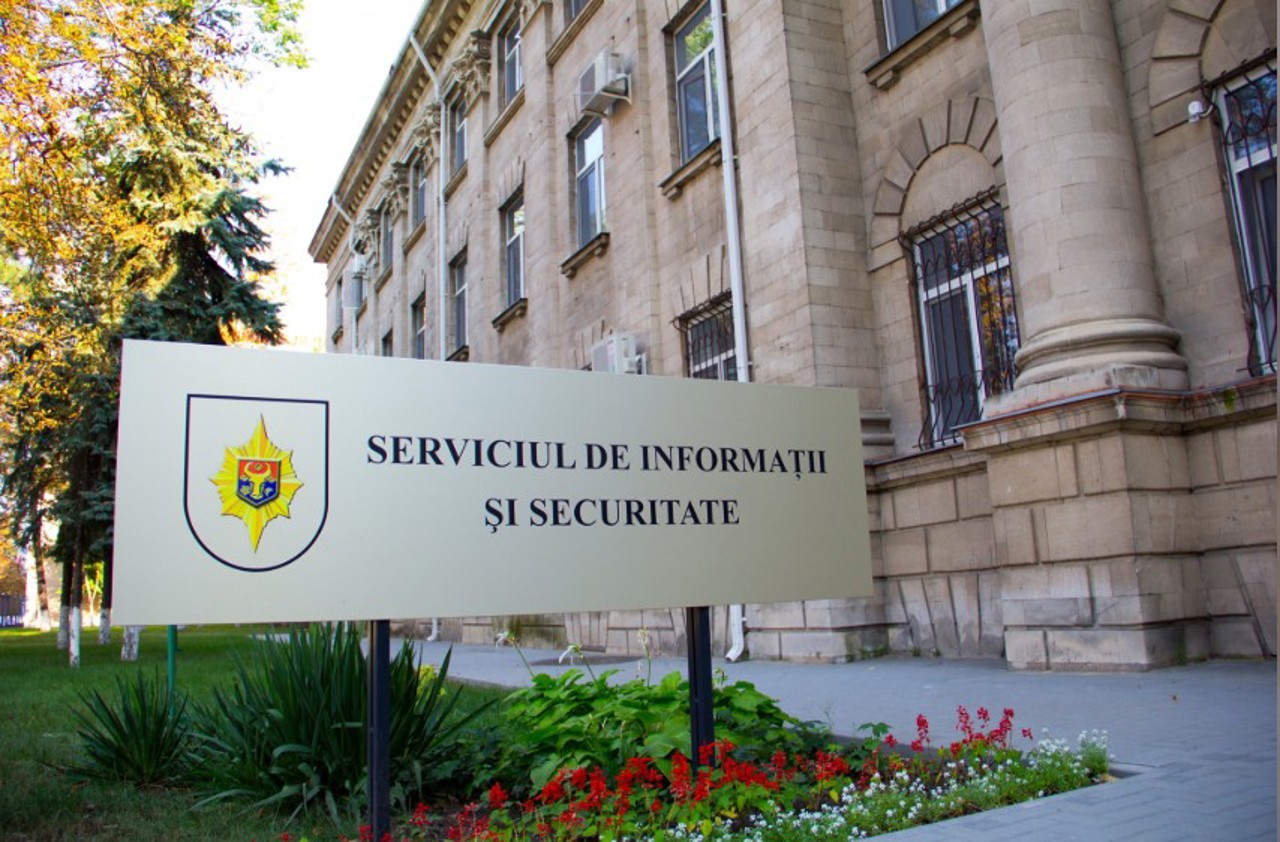
Moldova's intelligence agency faces escalating foreign espionage threats and recruitment attempts targeting its own personnel as it marks its 35th anniversary amid intense regional geopolitical pressures, a security analyst warned on Wednesday.
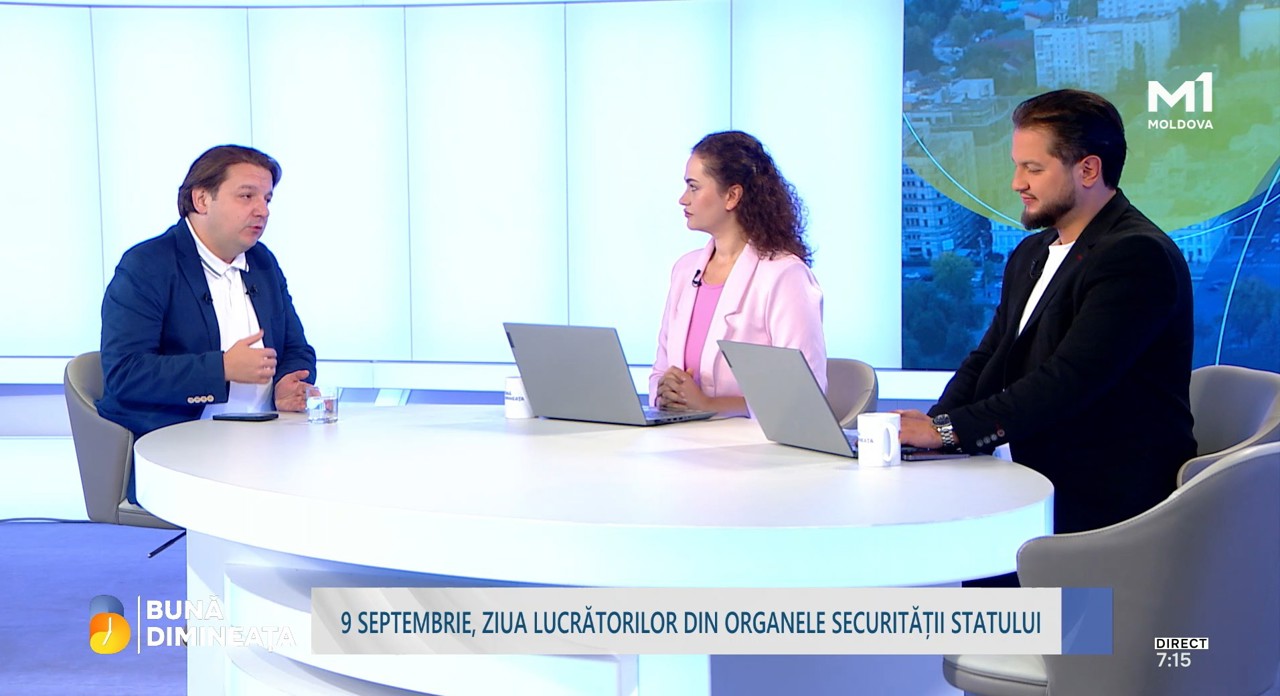
Speaking on the “Bună Dimineața” program on public broadcaster Moldova 1, security and public policy expert Andrei Curăraru stressed that while the Security and Intelligence Service (SIS) has aligned its legal framework with European standards, retaining institutional integrity remains a critical challenge. The agency marks 35 years since the establishment of Moldova's state security bodies on September 9.
Shedding Soviet heritage amid aggressive infiltration
The service has undergone a dual evolution since moving away from the Soviet-era State Security Committee (KGB): shaking off historical stigma while expanding analytical and counterintelligence capabilities under severe resource constraints.
“SIS is an intelligence agency designed to gather information, prevent risks, and inform decision-makers so their policies are well-grounded in security terms,” said Curăraru. “They have navigated two parallel tracks: distancing themselves from the stigma of the feared KGB, while expanding intelligence and counterintelligence operations.”
Recent criminal investigations involving senior defense officials—including former Chief of the General Staff Igor Gorgan, who faces charges over alleged ties to Russian military intelligence—highlight aggressive foreign efforts to penetrate Moldova's institutions.
“We see how aggressive this foreign intelligence activity can be through recruitments at such a high level,” Curăraru said. “The ongoing criminal case against a former army chief shows how difficult it is to control classified information and shield internal staff from hostile recruitment.”
Democracy, open sources, and institutional vetting
The war in neighboring Ukraine and recurrent destabilization campaigns—financed through illicit party funding and digital psychological operations—have stretched the service's capacities. While open-source intelligence (OSINT) now accounts for up to 80 percent of modern intelligence work, maintaining a strict balance between national security and democratic liberties remains paramount.
“The regional conflict makes counterintelligence far more demanding,” said Curăraru. “Here we stand on a fine democratic line: we need active service, but we must avoid creating a political police.”
To withstand financial and personal inducements, the agency—which employs a relatively young cadre screened through polygraph tests—requires deep civic commitment alongside technical expertise. Curăraru suggested that professionals with investigative backgrounds, including journalists skilled in source verification, represent valuable prospective recruits to defend Moldova against hybrid security risks.
Translation by Iurie Tataru
RELATED COVERAGE
- Moldovan general exposed as Russian spy, state honors revoked
- Security and Intelligence Service probe into Balan began with internal suspicions, confirmed by external partners
- The Gorgan case: SIS and the Ministry of Defense under the prosecutors' magnifying glass
- Grosu requests explanations in the case of Gorgan suspected of espionage in favor of Russia: "It's about state security"
- The Prosecutor's Office is examining the veracity of the information according to which Gorgan would have collaborated with Russia