Romania becomes top export market for Moldova's breakaway region
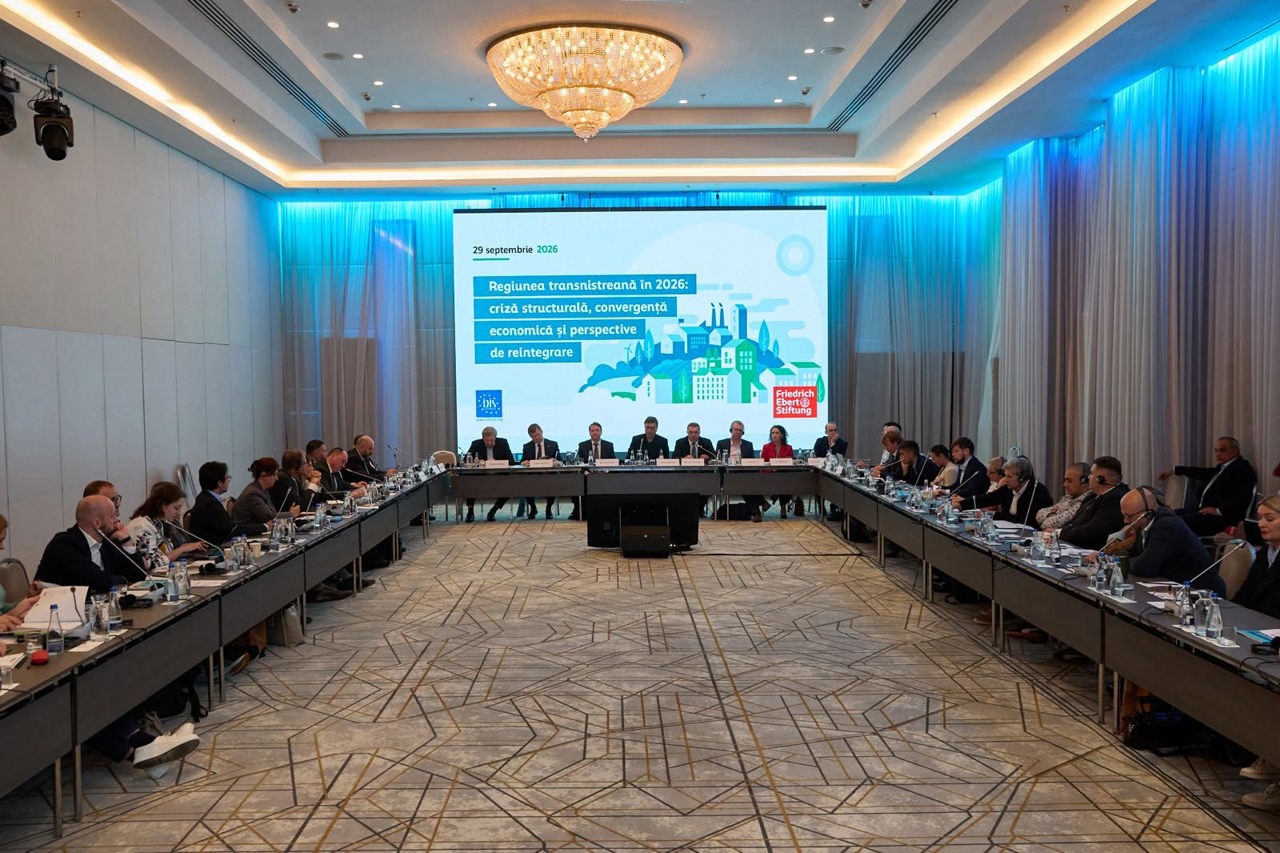
Romania has become the primary export market for Moldova's breakaway eastern districts, absorbing 42.8% of their external sales in 2026, a study by IDIS "Viitorul" and FES shows.
The findings highlight a decisive geoeconomic realignment toward the European Union, running counter to the pro-Russian political rhetoric of the separatist authorities in Tiraspol. By contrast, Russia’s share of the region's external trade has collapsed from more than 50% two decades ago to just 12.1% in 2026, while Romania accounted for only 3.9% back in 2005.
Combined sales to right-bank Moldova and the European Union accounted for more than 80% of all goods shipped outside the region in 2025. Right-bank Moldova absorbed 48.5% of total sales, followed by Romania with 22.2% and other EU member states with 15.4%, as trade with Commonwealth of Independent States (CIS) markets sharply contracted following Russia's invasion of Ukraine.
Exhaustion of the subsidized model
The research indicates that the economic architecture of the left bank of the Dniester is undergoing an irreversible structural transition. The historical model—anchored in subsidized Russian natural gas, administrative currency controls, and heavy industrial support—can no longer guarantee fiscal revenue or social stability.
Economic output remains precarious and heavily concentrated in metallurgy and electricity generation, which together generate over 60% of industrial output. Operations hinge largely on the Cuciurgan power plant (MGRES) and the Moldovan Metallurgical Plant, leaving regional finances acutely vulnerable to external shocks.
Gradual fiscal harmonization roadmap
A gradual economic convergence over four to five years represents the most viable pathway toward eventual institutional reintegration, the authors concluded. The roadmap recommends that additional fiscal pressure should not exceed 3% of the region's gross domestic product annually, balancing reforms against business solvency.
Under the proposal, introducing value-added tax would require unified business registries, digital tax administration, and taxpayer training, with initial VAT revenue temporarily capped at 3% to 5% of regional GDP. Excise duties could be aligned over up to ten years, with baseline social security and health insurance contributions set at 18% and 2%, respectively.
To facilitate modernization, the study advocates creating a Convergence Fund to finance infrastructure, small businesses, and social safety nets, alongside a Permanent Convergence Platform uniting public officials, entrepreneurs, and civil society.
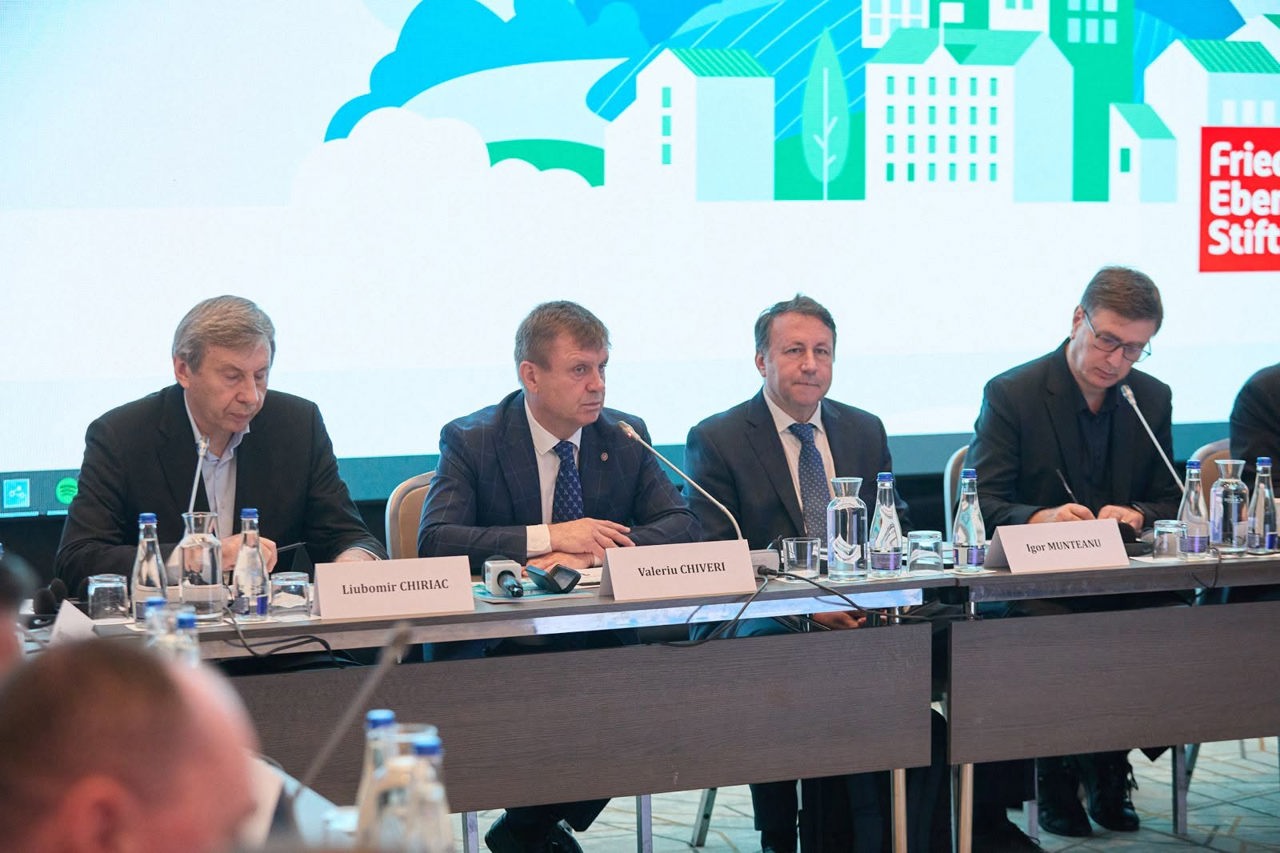
“Our goal is to ensure that citizens on both banks have access to the same services, opportunities, and rights,” said Deputy Prime Minister for Reintegration Valeriu Chiveri during the report's presentation.
Chiveri stressed that economic convergence measures will advance step by step, reflecting economic realities on both banks of the Dniester River.
Translation by Iurie Tataru
RELATED COVERAGE
- Official: 76.9% of Transnistrian exports went to the EU since the start of the year
- Exports from the Transnistrian region to the EU increased by about 81% in the first three months of the year
- Moldova advances fiscal integration plan for Transnistria region
- Chiveri: Transnistrian reintegration should be a gradual process with broad social involvement
- Service exports, a key driver of the economy, in Republic of Moldova